In modern automotive engineering, the significance of effective electrical systems cannot be understated. One essential component in the automotive electrical system is the relay. A relay is an electromechanical device that allows low-power signals to control high-power circuits, providing safety, efficiency, and adaptability to various automotive functions. Understanding the different car relay types is crucial for effective troubleshooting and optimal performance.
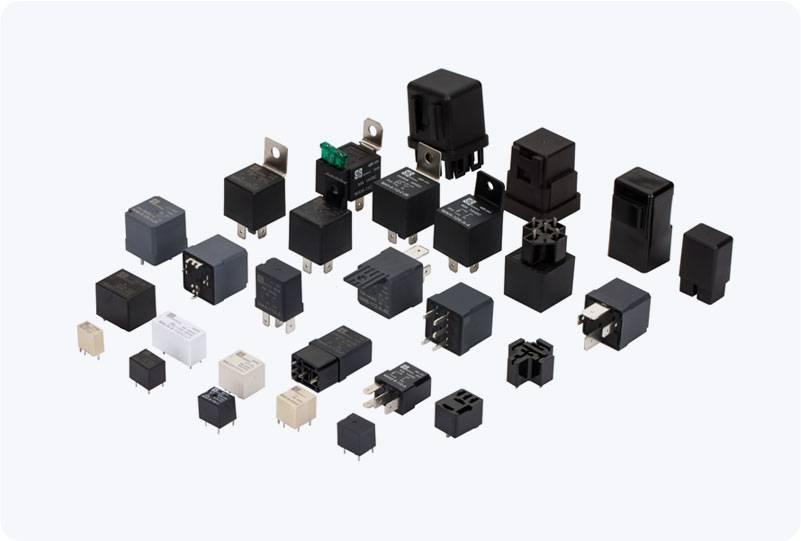
1. Electromagnetic Relay The electromagnetic relay is the most common type found in cars. It operates on the principles of electromagnetism, where an electromagnet is activated by a low-power input, closing or opening the relay contacts in response. These relays typically consist of a coil and a set of contacts. When the coil is energized, it creates a magnetic field that pulls a movable armature, thus connecting the contacts. Electromagnetic relays are often utilized in applications like headlight control, fuel pump activation, and horn activation, where robust switching is required.
2. Solid State Relay (SSR)