The Circuit Breaker Power Relay is an essential component in modern electrical systems, designed to protect circuits from damage caused by overloads, short circuits, and other electrical faults. It is a fundamental safety device used in various industries and residential applications, ensuring the longevity of electrical equipment and preventing hazardous situations. This article explores the working principle, functions, applications, and importance of Circuit Breaker Power Relays in maintaining a safe and reliable electrical system.
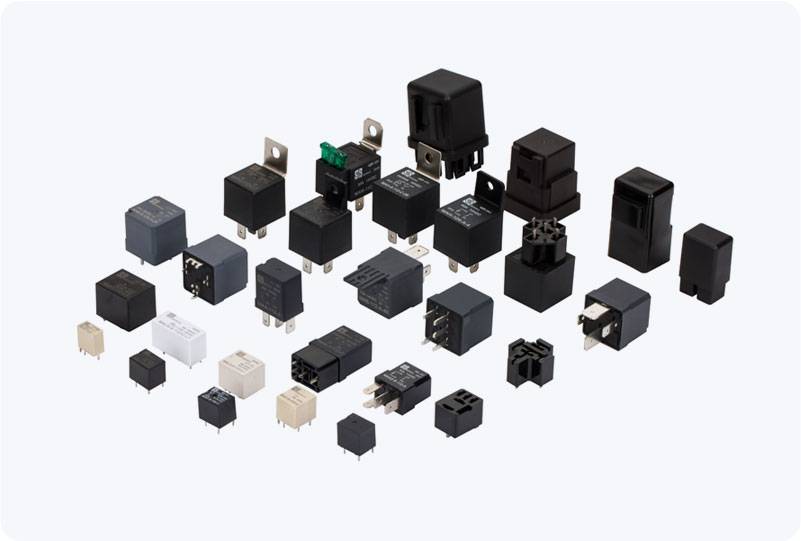
What is a Circuit Breaker Power Relay? At its core, a Circuit Breaker Power Relay is a protective device that automatically interrupts the flow of electricity when it detects an electrical fault, such as an overload or a short circuit. The term “circuit breaker” refers to the mechanism that physically disconnects the electrical circuit, while “power relay” refers to the device’s role in sensing and triggering the circuit interruption based on predefined conditions. Circuit Breaker Power Relays can be divided into two main components: The Relay Mechanism: A sensitive device that monitors electrical parameters like current, voltage, and sometimes temperature.