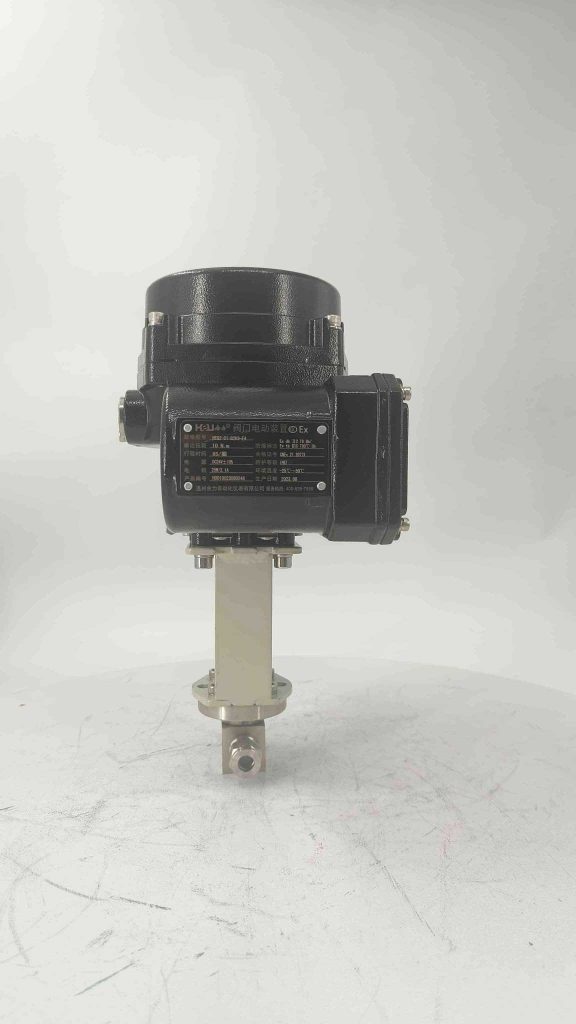
Explosion-proof electric valves are crucial components in modern industrial systems, particularly in sectors dealing with flammable gases, liquids, or dust. These specialized valves serve a vital function by providing reliable control of fluid flow while ensuring safety in potentially explosive environments. This article explores the features, applications, and significance of explosion-proof electric valves in various industries.
What is an Explosion-proof Electric Valve?
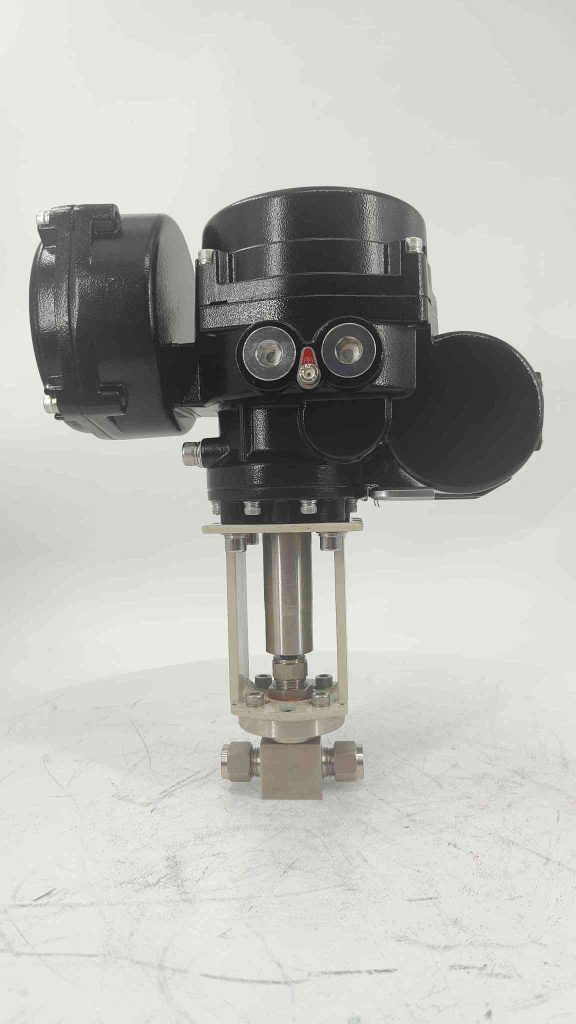
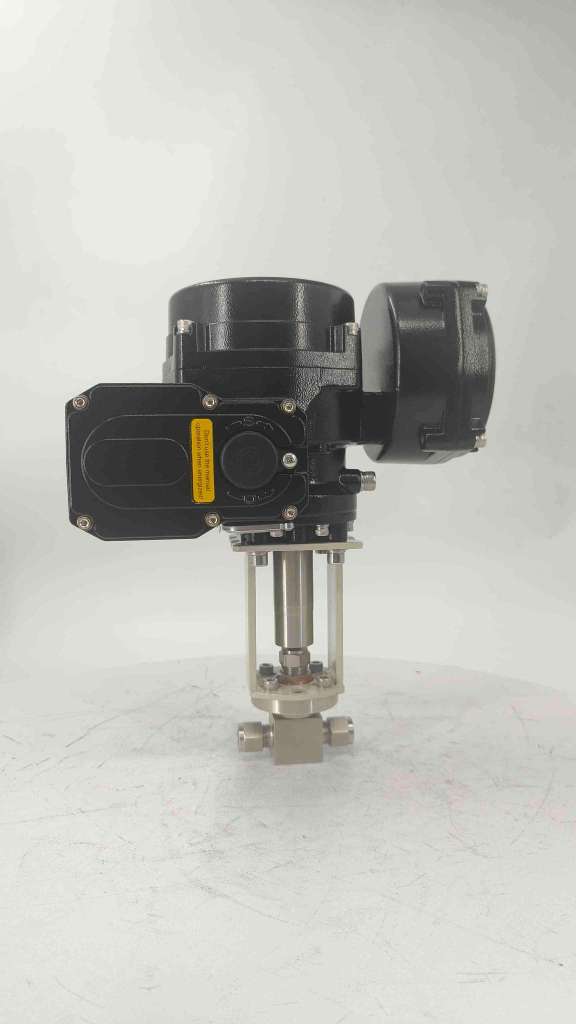
An explosion-proof electric valve is designed to operate safely in environments where there is a risk of explosion due to the presence of hazardous materials. Such environments include chemical plants, oil refineries, natural gas facilities, and mining operations. These valves are constructed according to stringent explosion-proof standards, typically classified under categories like Ex d (flameproof) and Ex e (increased safety). The primary goal of an explosion-proof electric valve is to prevent any ignition source from escaping the valve’s housing, which could trigger an explosion. The valve typically consists of two main parts: the valve body and the electric actuating mechanism. The electric actuator allows for remote and automated operation, making it more efficient compared to manual valves.