Industrial control relays are fundamental components used in electrical systems to control and automate processes in various industries. These electromechanical devices, designed to switch electrical circuits on and off, are integral to modern automation systems, electrical protection, and industrial control. The simplicity of their design belies the important role they play in ensuring the smooth operation of industrial machinery, electrical grids, and manufacturing processes. This article will explore the essential functions, types, applications, and selection criteria of industrial control relays.
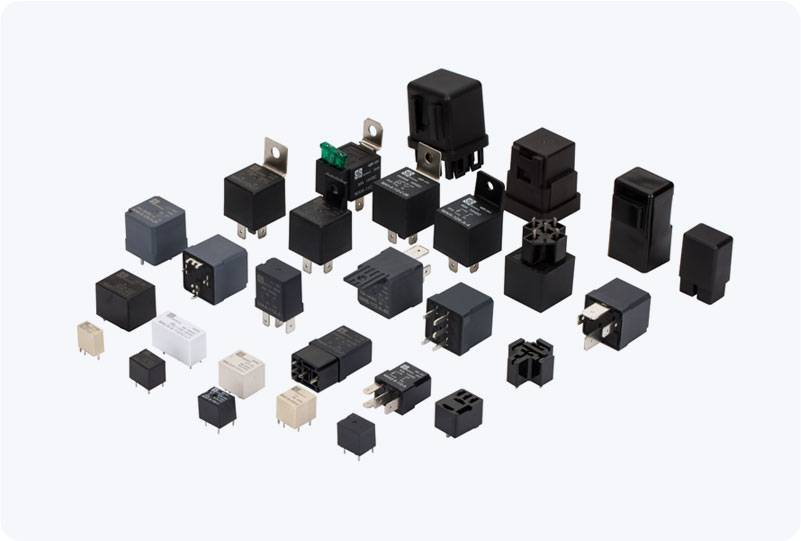
What is an Industrial Control Relay? An industrial control relay is a device used to open or close an electrical circuit by receiving an input control signal. The relay typically consists of an electromagnet, a set of contacts (normally open or normally closed), and an armature that moves when the relay is activated. The electromagnet is energized by an electric current, which generates a magnetic field that pulls the armature, closing or opening the contacts, thereby controlling the flow of electricity in the circuit. In simpler terms, the relay acts as an electrical switch that is operated by another electrical circuit. These devices are commonly used to control high-voltage circuits with a low-voltage control signal, making them essential in the automation of industrial processes.