Industrial timer relays are critical components in many automated systems and industrial control processes. These devices control the switching actions of electrical circuits by introducing a time delay, which is essential for managing complex operations in manufacturing, production lines, and machinery control. This article explores the functionality, key features, and practical applications of industrial timer relays, shedding light on how these simple devices contribute to more efficient and precise control systems.
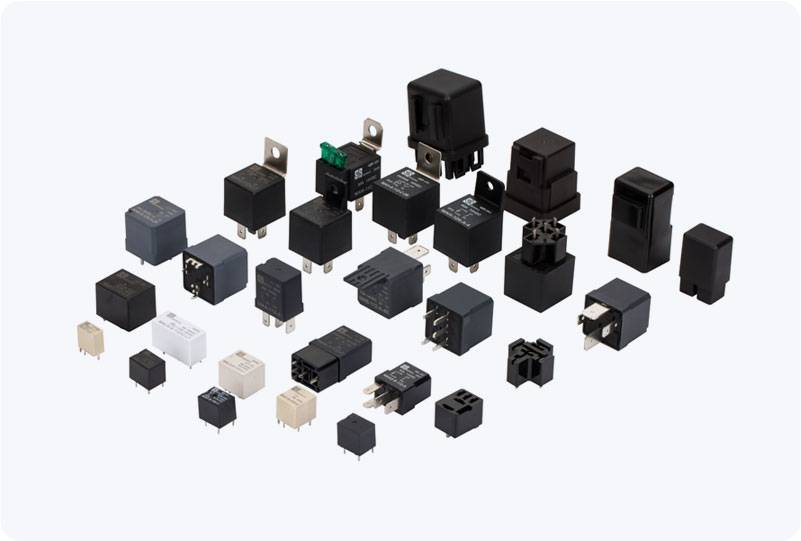
What is an Industrial Timer Relay? An industrial timer relay is an electrical device that is used to control a circuit’s operation by delaying the actuation of a switch. Essentially, it allows the user to set specific time intervals for opening or closing the contacts in a circuit. Depending on the application, timer relays can control the start, stop, or reset of electrical devices, which is especially useful in processes that require timed actions. How Does it Work? The operation of an industrial timer relay is relatively simple. It consists of a relay and a timer circuit. When the input signal is applied, the relay will either stay open or closed depending on the type of timer being used. The timing function is set through a mechanical dial, digital interface, or a programmable controller, depending on the model.