In an era where electrical control systems are pivotal to various industries, the role of a power relay cannot be overstated. Power relays are electromechanical switches that open and close circuits electromechanically or electronically. They serve as a vital interface between low-power control circuits and high-power loads, acting as a safety mechanism and allowing for the automation of numerous applications. This article delves into the definition, operation, types, applications, and future trends concerning power relays.
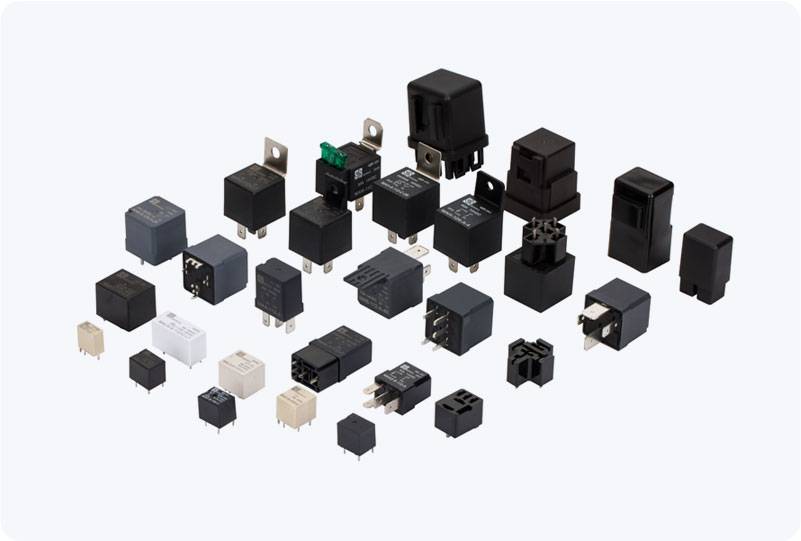
What is a Power Relay? At its core, a power relay consists of an electromagnet that, when energized, moves an armature to open or close a set of contacts. This mechanism allows a small input signal to control a larger time-varying electrical load. Power relays are characterized by their capability to handle high voltage and current ratings, which makes them essential in various applications, including electromagnetic actuators, industrial machinery, and motor control. How Do Power Relays Operate? The operation of a power relay can be summarized in a few key stages. When a voltage is applied to the coil of the relay, it generates an electromagnetic field that attracts the armature, providing a pathway between the contact points. Depending on the design of the relay, it can either close (energized) or open (de-energized) the circuit path.