Relay signals are a fundamental concept in the world of electrical engineering and automation systems. These signals play a crucial role in controlling high-power devices using low-power control signals, ensuring the smooth operation of various systems across multiple industries. From industrial automation to household appliances, relay signals are an essential part of modern electrical circuits. In this article, we will explore the importance of relay signals, how they work, and their practical applications.
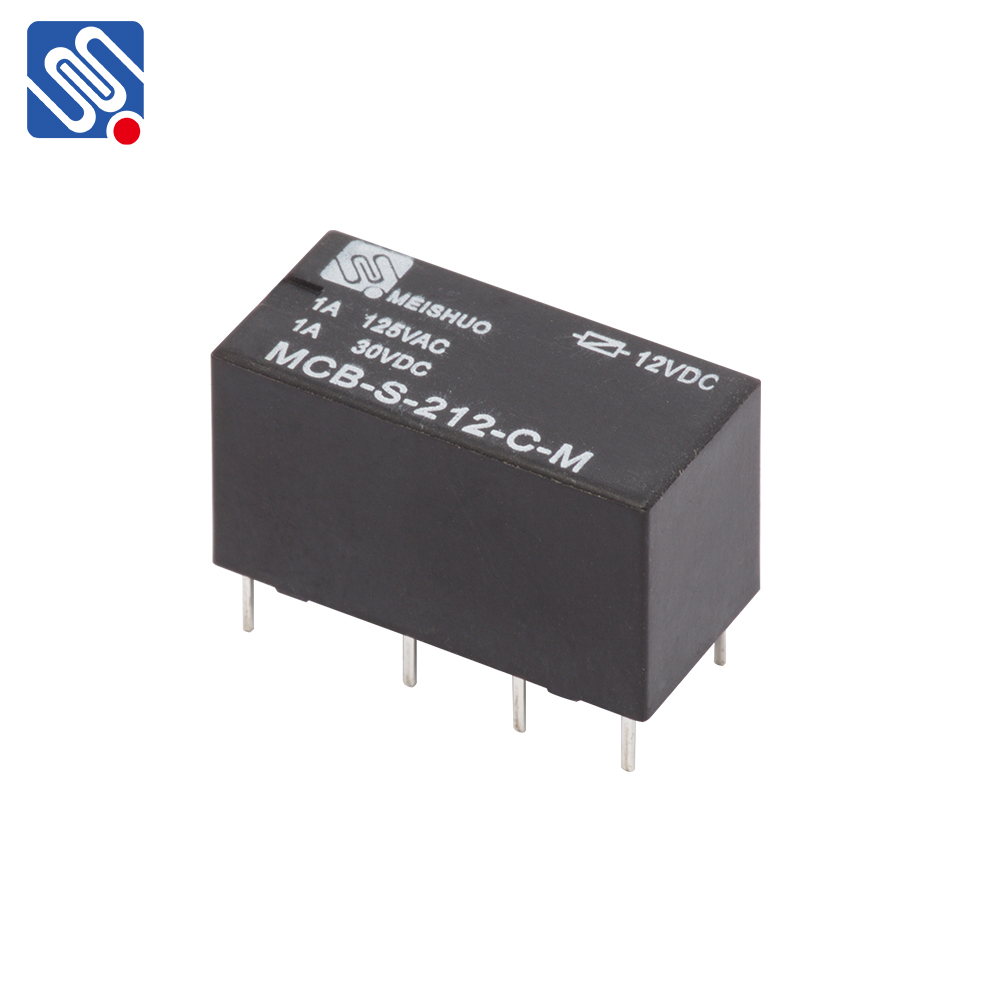
What Are Relay Signals? In simple terms, relay signals refer to the electrical signals that control the operation of a relay. A relay is an electromagnetic switch used to control the flow of electricity in a circuit. When an electrical current is passed through the coil of a relay, it generates a magnetic field that causes the relay’s internal contacts to either open or close, depending on the type of relay. This change in contact state allows the relay to control high-power devices using a low-power control signal. Relays come in different forms, including electromagnetic relays, solid-state relays, and thermal relays, each serving different purposes based on their design and functionality. Despite their differences, all relays rely on the principle of using a low-power signal to control a high-power circuit.