Safety systems are critical in industries that deal with high-risk environments such as chemical plants, manufacturing facilities, and oil rigs. One of the most important components in ensuring the safety of these industries is the Safety Relay. Among various safety relays, the Safety Relay SIL 3 stands out due to its high level of reliability and fault tolerance. This article delves into what Safety Relay SIL 3 is, its features, applications, and why it is essential in high-risk industrial processes.
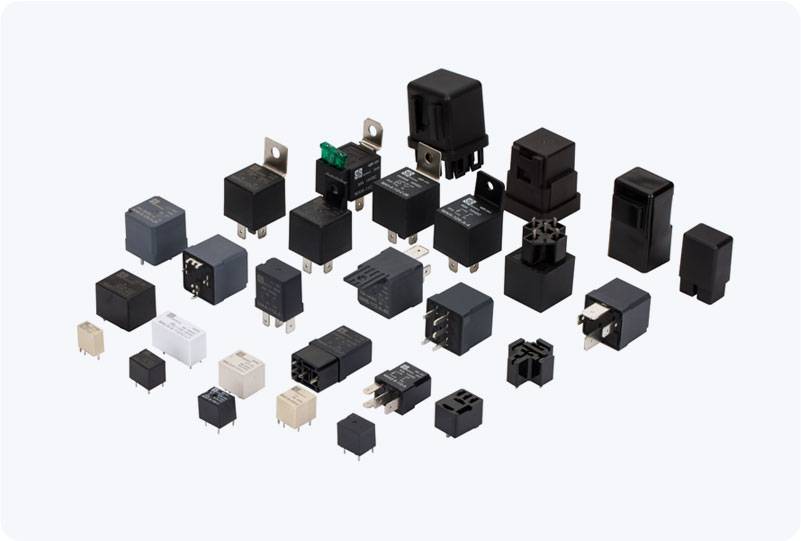
What is Safety Relay SIL 3? A Safety Relay SIL 3 refers to a safety relay system that is designed to meet the Safety Integrity Level 3 (SIL 3) as defined by international standards such as IEC 61508 and IEC 61511. SIL is a measure of the reliability of a safety-related system, specifically focusing on how likely it is that a system will fail to perform its intended safety function. SIL 3 represents a high level of safety, meaning that the system is capable of preventing hazards even in the event of a failure, ensuring a minimal risk of harm to people, equipment, and the environment. Key Features of Safety Relay SIL 3