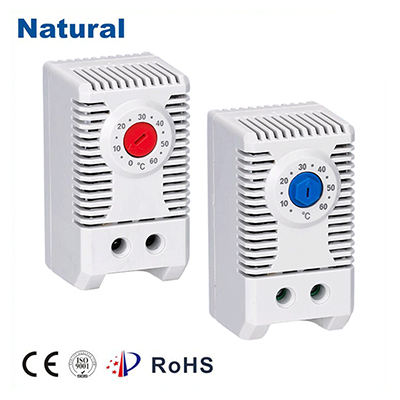
The bimetal thermostat is a crucial component in many temperature control applications, providing an efficient and reliable means of regulating temperature in various devices. This article explores the principles of a bimetal thermostat, its applications across different industries, and the advantages and disadvantages of using this technology.
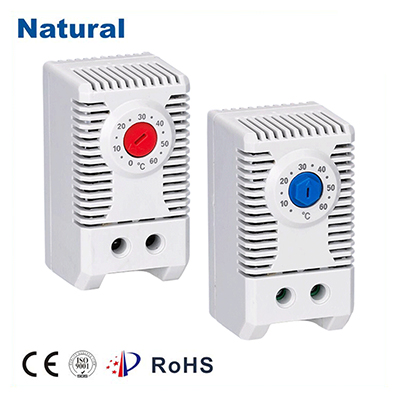
Principles of Bimetal Thermostat
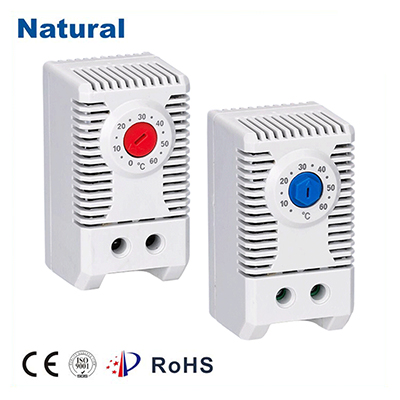
At the core of the bimetal thermostat is the principle of differential thermal expansion. A bimetal thermostat comprises two strips of different metals bonded together, typically with distinctly varying coefficients of thermal expansion, such as brass and steel or copper and iron. As the temperature changes, these two metals expand or contract at different rates, causing the bonded strips to bend. When the ambient temperature rises, one metal expands more than the other, leading to a curvature that can either make contact with an electrical terminal to close a circuit or break contact to open a circuit. The effective bending of the bimetallic strip provides a mechanical switch that can signal an increase or decrease in temperature, making it invaluable for many applications requiring temperature regulation.