Cold water solenoid valves are critical components in various systems requiring the control of water flow. These electro-mechanical devices utilize electric current to perform their function, allowing for the efficient management of fluid systems in residential, commercial, and industrial applications. This article aims to delve into the functionality, types, applications, and maintenance practices of cold water solenoid valves.
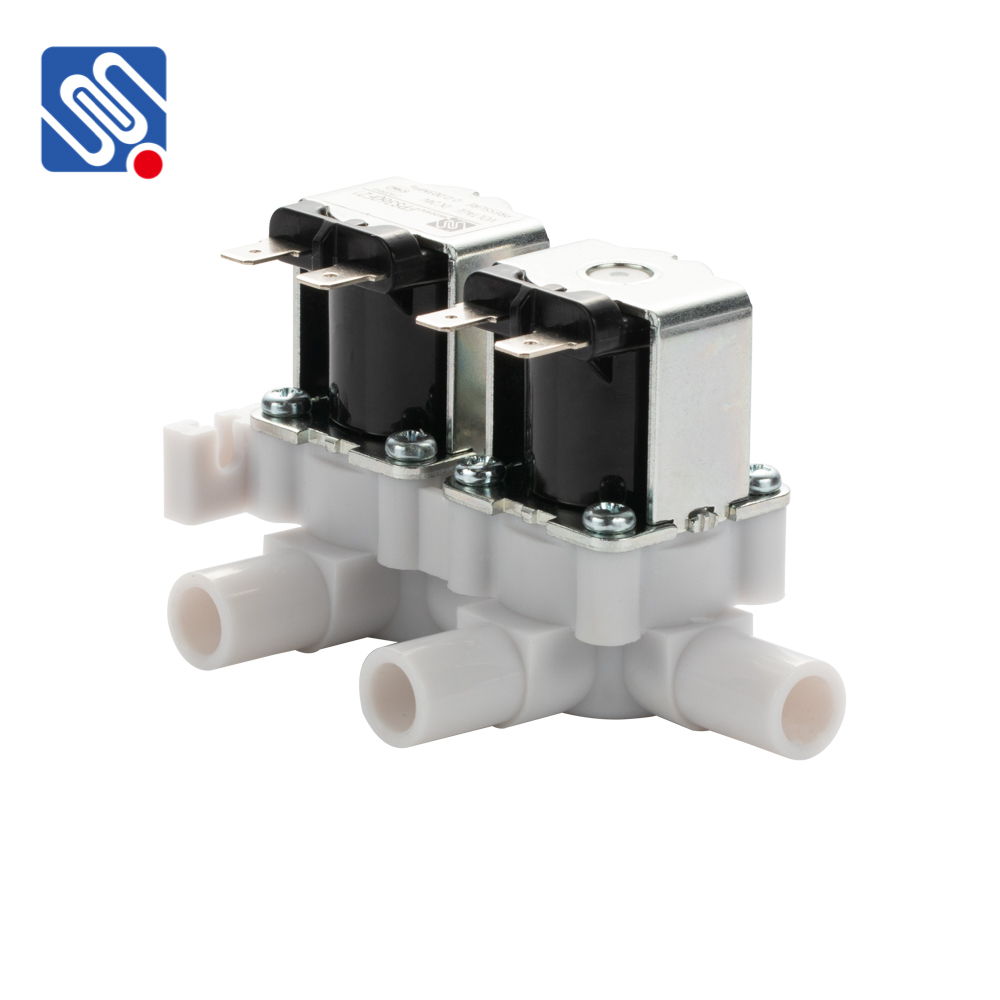
Functionality of Cold Water Solenoid Valves At its core, a cold water solenoid valve operates based on the principle of electromagnetism. When electrical current passes through a coil wound around a core, it generates a magnetic field that moves a plunger or ball within the valve. This movement either opens or closes the valve, controlling the flow of water. There are two main types of operation: normally closed (NC) and normally open (NO). In a normally closed valve, the flow of water is halted when the coil is not energized, and the valve opens when power is supplied. Conversely, a normally open valve facilitates continuous water flow until it is energised, causing it to close. This mechanism allows for precise control over water supply, making it ideal for various applications, from irrigation systems to household appliances.