The Electric Single Seat Regulating Valve is an essential component in modern industrial processes, playing a pivotal role in controlling fluid flow, pressure, and temperature. This type of valve is particularly vital in applications where precise flow regulation is crucial, from chemical processing to HVAC systems. In this article, we will explore the design, functionality, advantages, and various applications of electric single seat regulating valves.
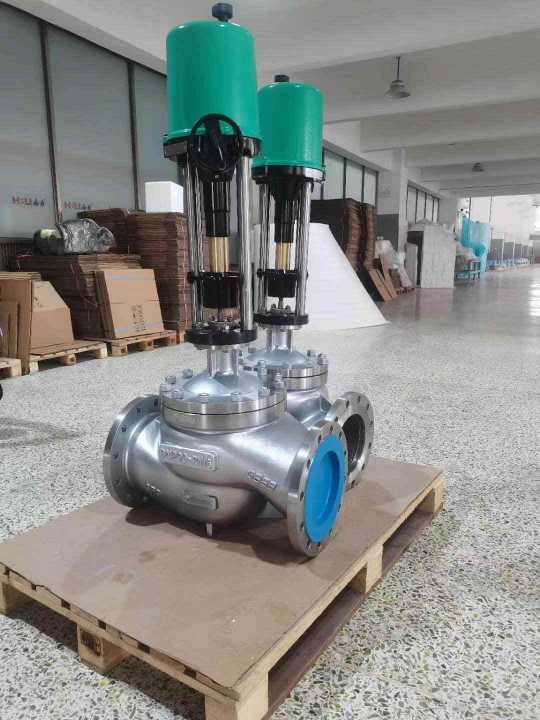
Design and Components The Electric Single Seat Regulating Valve consists of several key components. At its core is the valve body, which houses the valve seat and the valve plug or disc. These components work in tandem to open or close the valve, effectively controlling fluid passage. The valve body is typically constructed from materials such as stainless steel, carbon steel, or plastic, depending on the application and fluid characteristics. The valve seat is designed to create a tight seal when the valve is closed, preventing leakage. The valve plug, which may take various shapes (such as cylindrical or conical), moves up and down within the valve body to regulate flow. One of the defining characteristics of the electric single seat valve is its electric actuator, which applies force to the valve plug based on the control signal received from a central processing unit or a programmable logic controller (PLC).