In modern industrial applications, precise control over fluid flow is crucial for ensuring optimal performance, efficiency, and safety. Among various technologies available, the Electric Two-Seat Regulating Valve stands out as a prominent solution. This innovative device provides accurate measurement and control of fluids across multiple processes in industries ranging from chemical to HVAC systems. In this article, we will explore the structure, working principles, applications, advantages, and considerations regarding the Electric Two-Seat Regulating Valve.
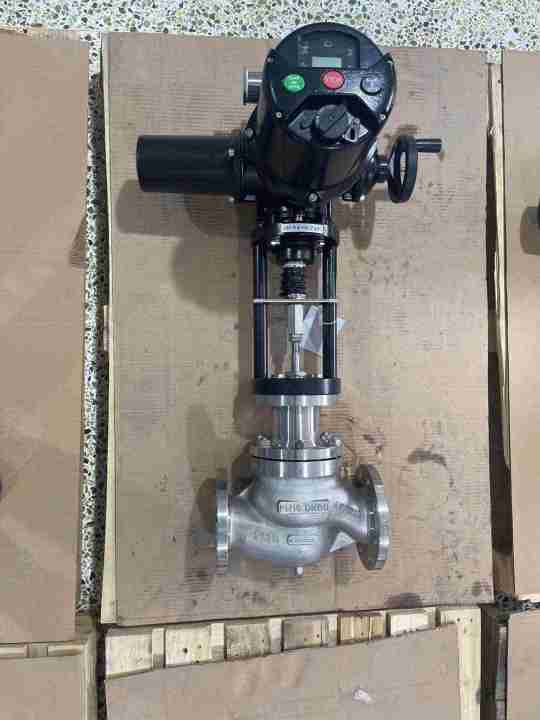
Structure and Working Principles The Electric Two-Seat Regulating Valve is distinguished by its unique design featuring two valve seats and two valve plugs or discs. This configuration significantly enhances flow stability and capacity compared to single-seated designs. The valve is composed of several crucial components, including: Valve Body: Serving as the main structure, the valve body houses the flow passage for the fluid. The design of the valve body influences the resistance to fluid flow and overall efficiency. Valve Disc and Seats: The two discs work in tandem to control fluid flow. Movement of the discs in and out of the seat determines whether the valve is fully open, partially open, or closed.