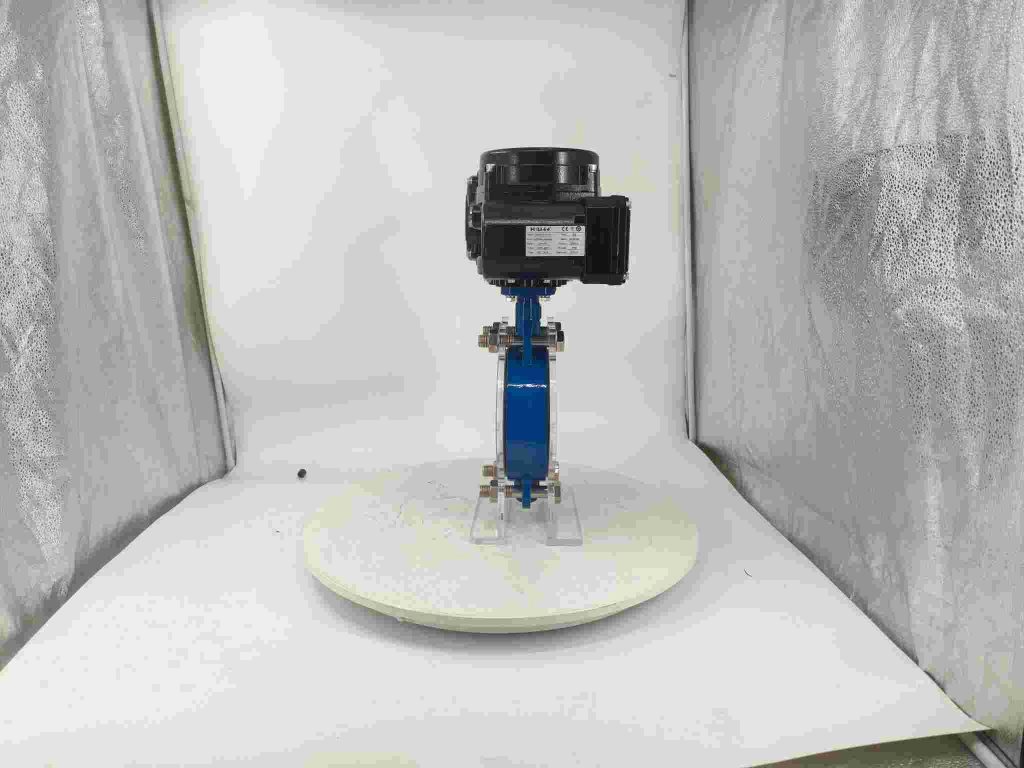
The explosion-proof electric butterfly valve is an essential component in numerous industrial applications, particularly in environments where the risk of fire or explosion is a significant concern. This specialized valve combines the functionality of a butterfly valve with the safety features necessary to operate in hazardous conditions. This article explores the structure, operation, applications, advantages, and maintenance considerations related to explosion-proof electric butterfly valves.
Structure and Functionality
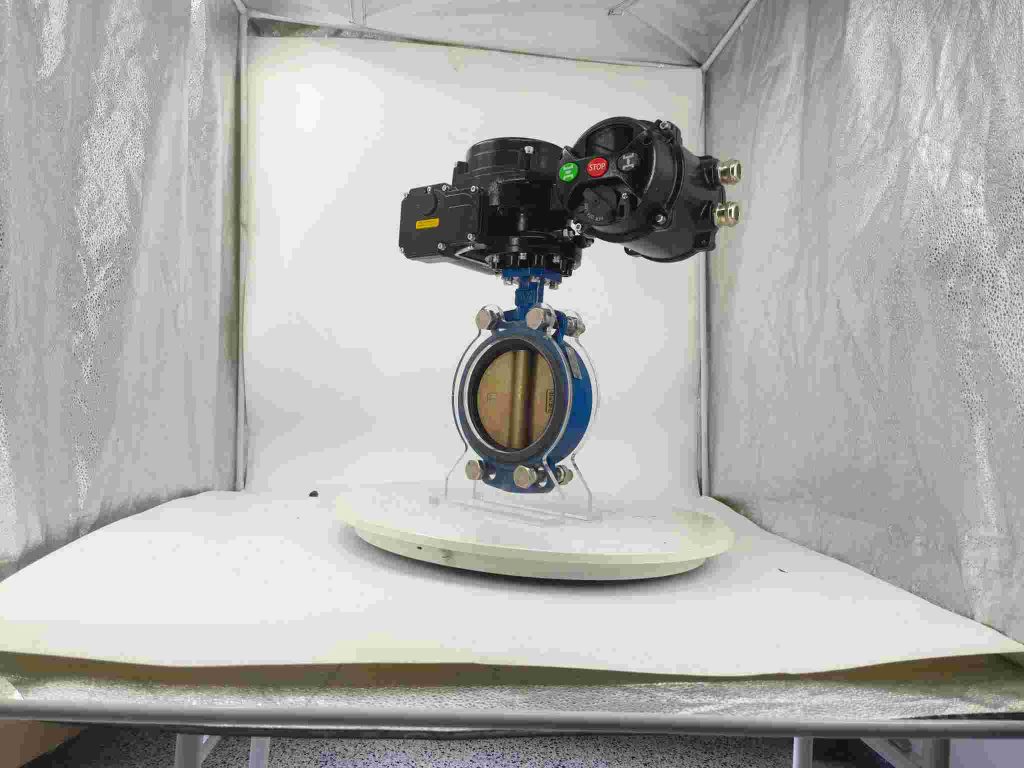
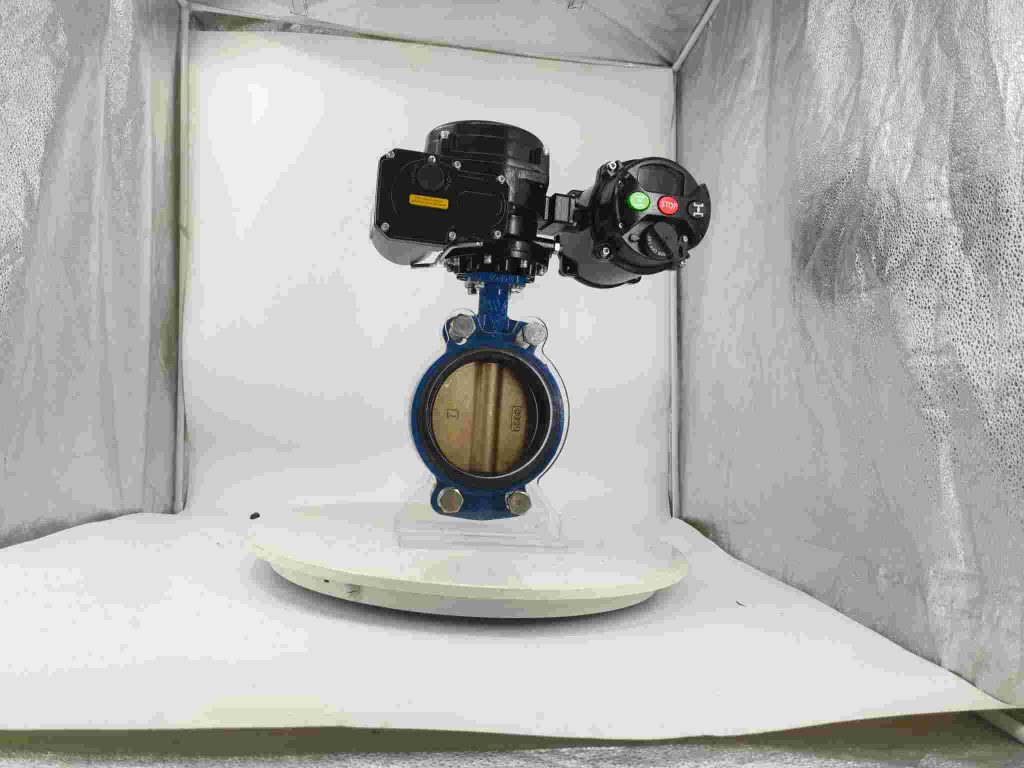
At its core, an electric butterfly valve consists of a circular disc (the butterfly) that rotates around a central shaft. When the valve is opened, the disc allows fluid to flow through the valve body. The electric actuator is responsible for the valve’s movements, enabling precise control over the flow rate. Electric butterfly valves are typically designed for both on/off control and throttling applications. The explosion-proof feature of these valves ensures that they can operate safely in environments containing explosive gases or vapors. These valves meet specific industry standards, such as ATEX in Europe and UL in the United States, which dictate the materials, design, and construction methods used to minimize the risk of ignition.