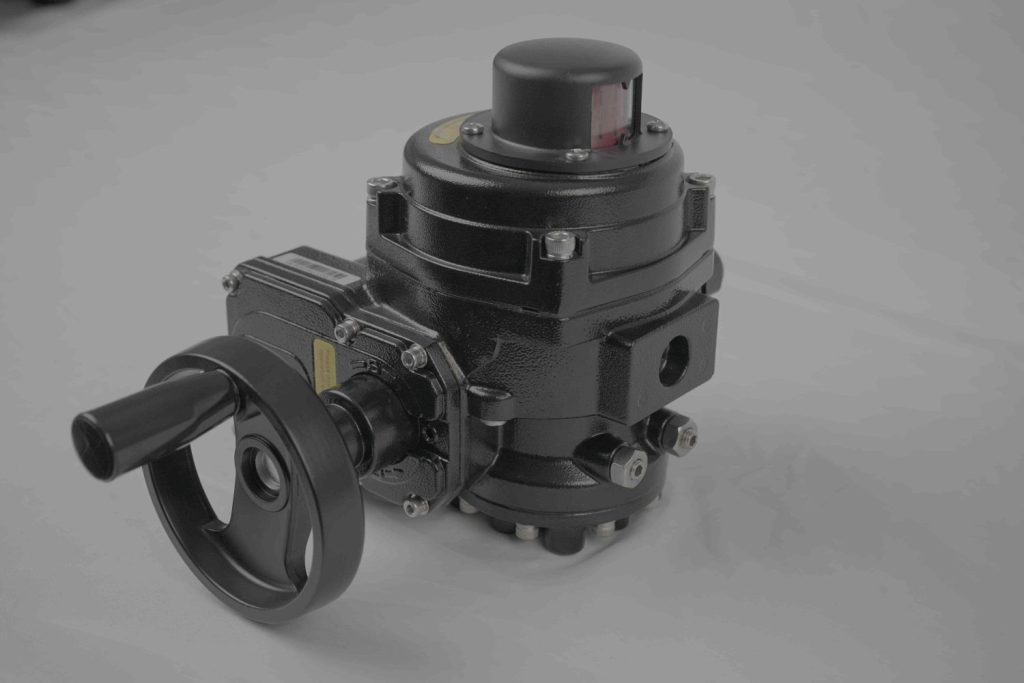
In recent years, lithium batteries have become a cornerstone of modern technology, powering everything from smartphones and laptops to electric vehicles and large-scale energy storage systems. With their high energy density, lithium batteries have revolutionized the way we store and use energy. However, as the reliance on these batteries increases, so does the need for enhanced safety measures. One critical component that plays a pivotal role in ensuring the safety of lithium battery systems is the explosion-proof lithium battery valve.
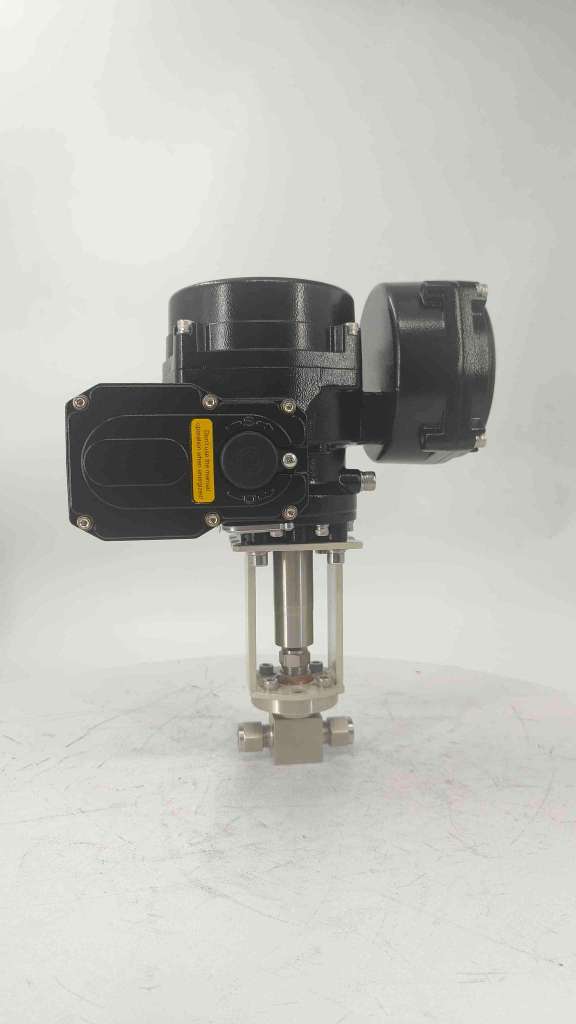
The Function of the Explosion-proof Lithium Battery Valve
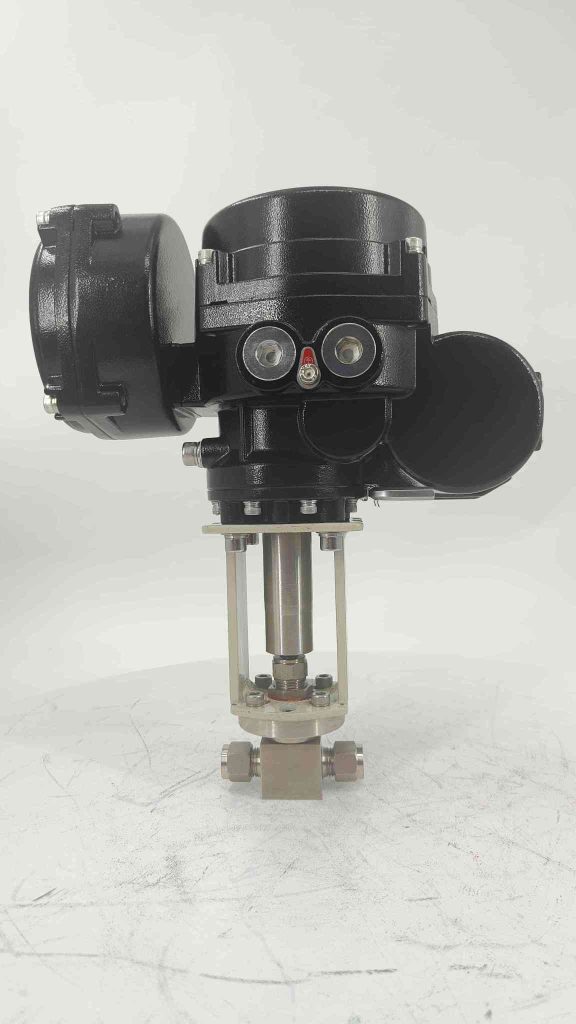
The explosion-proof lithium battery valve is designed to prevent catastrophic failures that may arise from excessive internal pressure within a battery cell. Such failures can result from various scenarios, including overcharging, short circuits, thermal runaway, and manufacturing defects. When the pressure inside a battery reaches dangerous levels, the valve automatically opens to release gas and prevent the battery casing from bursting or exploding. This mechanism serves as a vital safety feature, safeguarding both the battery and the environment around it. Design and Construction The design of an explosion-proof lithium battery valve is crucial for its effectiveness. Typically, these valves are made from durable, corrosion-resistant materials that can withstand extreme temperatures and chemical reactivity. The valve must maintain an airtight seal during normal operation, only triggering the release of internal gases when necessary. Additionally, some advanced designs incorporate temperature sensors to monitor the battery’s operating conditions, ensuring that the valve activates at the right moment.