Industrial Control Relays (ICRs) play a crucial role in the landscape of modern automation and control systems, serving as the backbone for a wide array of industrial applications. As industries continue to evolve, the demand for reliable, efficient, and flexible control solutions has prompted advancements in relay technology, making ICRs an essential component in various sectors such as manufacturing, energy, HVAC, and safety systems.
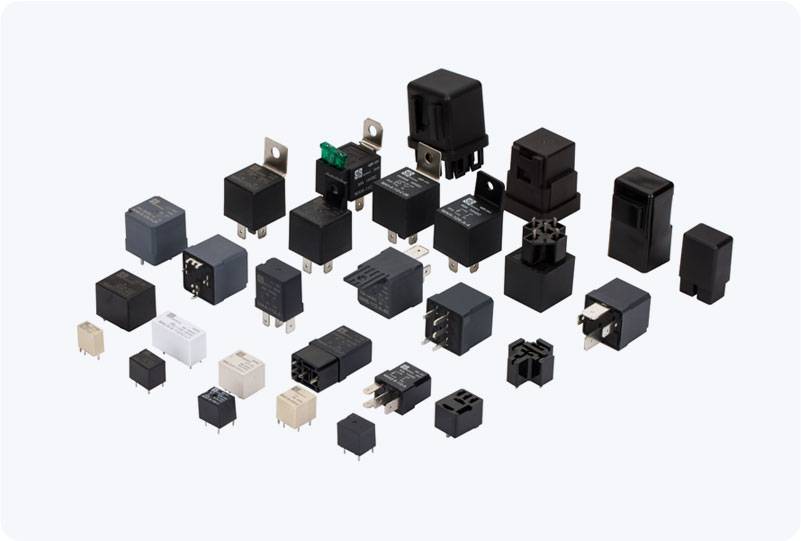
What is an Industrial Control Relay? An industrial control relay is an electromechanical or solid-state device that opens and closes circuits in response to an input signal. The primary function of ICRs is to manage the flow of electricity to various components within a system, allowing for automated control of machinery and processes. When the relay is activated by a control signal, it creates a magnetic field that either opens or closes the relay’s contacts, thereby controlling the circuit’s state. Key Features of Industrial Control Relays Electrical Isolation: One of the most significant advantages of ICRs is that they provide electrical isolation between the control circuit and the load. This feature enhances the safety of the systems by protecting delicate control components from high voltages or electrical surges.