Water Treatment System Solenoid Valves play a crucial role in the management and control of water treatment processes. As the demand for clean and safe water continues to rise globally, the importance of efficient water treatment systems has become more prominent. Among the various components that make up these systems, solenoid valves stand out due to their ability to automate and optimize fluid flow. This article will explore the function, benefits, applications, and maintenance of solenoid valves in water treatment systems.
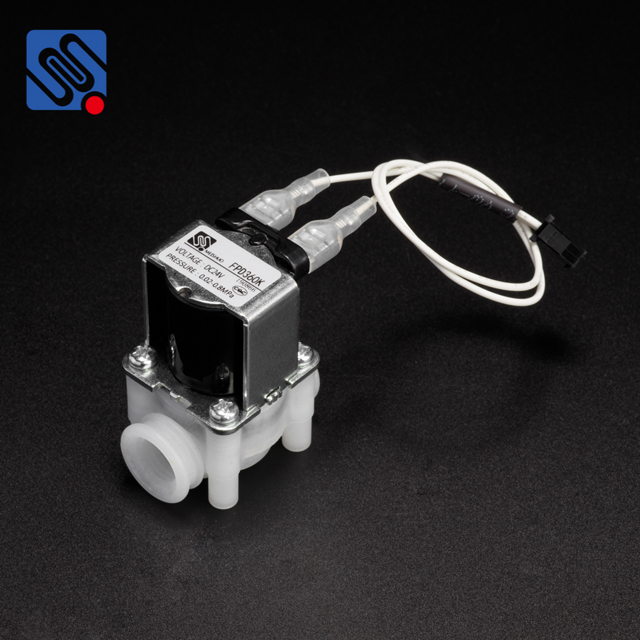
What is a Solenoid Valve? A solenoid valve is an electromechanical device that controls the flow of liquids or gases through a valve, utilizing an electric current to create a magnetic field. This magnetic field activates a movable element within the valve, either opening or closing it. Depending on the design, solenoid valves can be classified as either normally closed (NC) or normally open (NO). In water treatment systems, solenoid valves can be integrated into various processes, including filtration, disinfection, chemical dosing, and more. Functions and Benefits of Using Solenoid Valves