In the modern industrial world, automation has become a pivotal factor in improving efficiency, safety, and productivity. A critical component in many automated systems is the solenoid valve. These electromechanical devices are essential for controlling the flow of liquids, gases, or steam, offering precise regulation and automated control in various applications. Solenoid valve manufacturers play a key role in supplying these valves, which are used in diverse industries such as manufacturing, HVAC, automotive, and water treatment, to name a few. This article explores the role of solenoid valve manufacturers, their types of products, and their importance in different sectors.
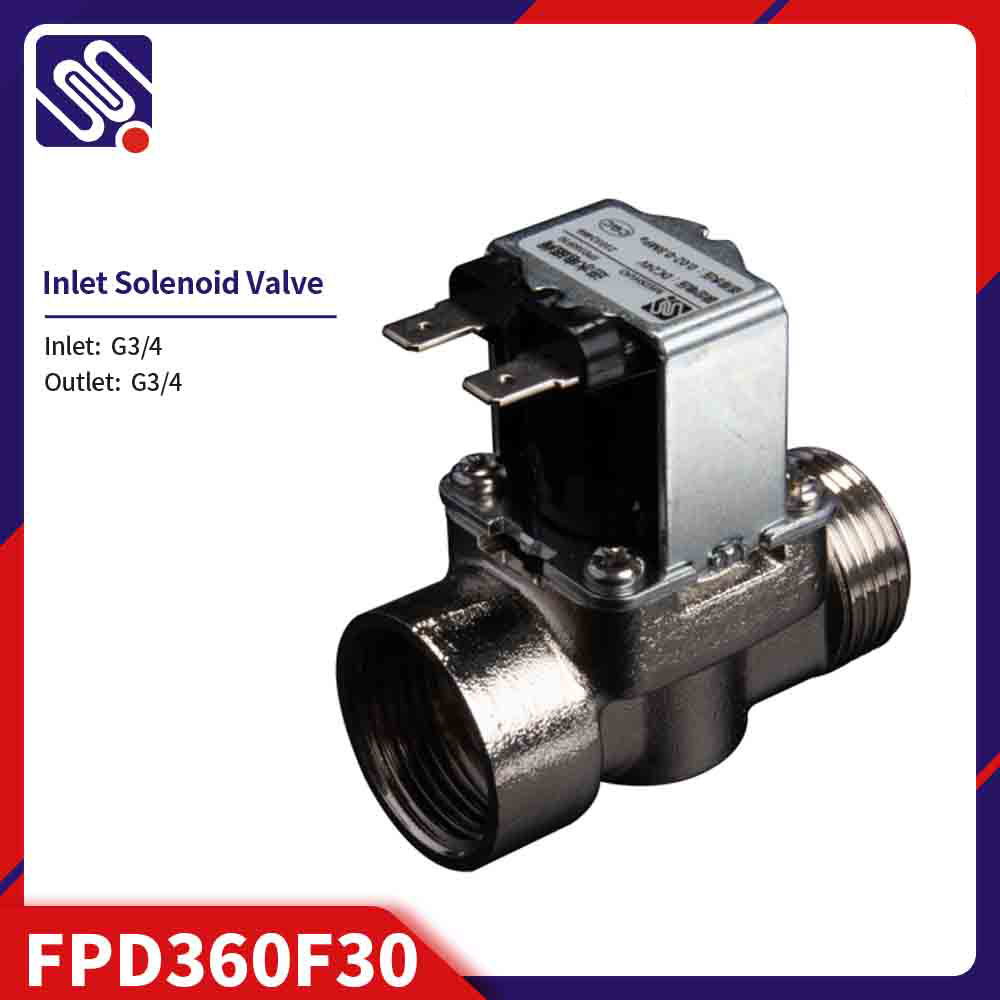
The Basics of Solenoid Valves A solenoid valve operates through the interaction of an electric current and an electromagnetic solenoid. When an electrical current flows through the coil of the solenoid, it creates a magnetic field that moves a plunger or diaphragm. This movement either opens or closes the valve, controlling the flow of liquids or gases through a system. Solenoid valves can be found in applications ranging from simple household systems to highly complex industrial operations, where precise control is critical. There are two primary types of solenoid valves: direct-acting and pilot-operated. Direct-acting solenoid valves rely solely on the solenoid’s action to move the valve’s mechanism. Pilot-operated solenoid valves, on the other hand, use the solenoid to control a pilot valve, which then regulates the main valve. Both types offer different levels of performance, with direct-acting valves typically being more compact and suitable for low-flow applications, while pilot-operated valves are more suited for higher flow systems and are typically used in large-scale industrial settings.