The Thermal Management Relay (TMR) has emerged as a critical component in modern electronics and industrial applications, ensuring that devices operate within safe temperature limits. As technology advances and devices become more sophisticated, the demand for efficient thermal management solutions has increased significantly. This article explores the functions, importance, applications, and considerations surrounding Thermal Management Relays.
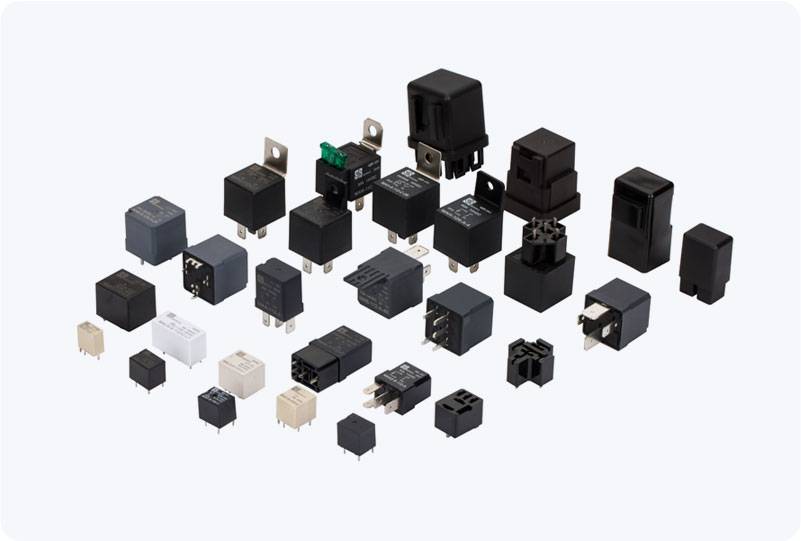
What is a Thermal Management Relay? A Thermal Management Relay is essentially a protective device designed to monitor the temperature of electrical equipment and control power output accordingly. It operates through a simple yet effective mechanism; when the internal temperature sensor detects that a component’s temperature has reached a predefined threshold, the relay activates or deactivates the circuit, preventing potential overheating and subsequent damage. How Does it Work? The core function of a Thermal Management Relay involves real-time temperature monitoring. It is typically equipped with thermal sensors, such as thermistors or thermocouples, which provide continuous feedback on the temperature levels of the device it’s protecting. The relay’s internal control circuitry processes this data and, upon reaching a critical temperature point, issues a command to disconnect power or engage a secondary cooling system like fans or water cooling.