In industrial settings, safety is of paramount importance. Among the various safety measures implemented in factories, plants, and construction sites, valve lockout devices stand out as essential tools for preventing accidents and ensuring the well-being of workers. These devices play a critical role in lockout/tagout (LOTO) procedures, which are designed to protect employees from hazardous energy during maintenance or repair tasks. This article will delve into the intricacies of valve lockout devices, their significance, types, and best practices for effective implementation.
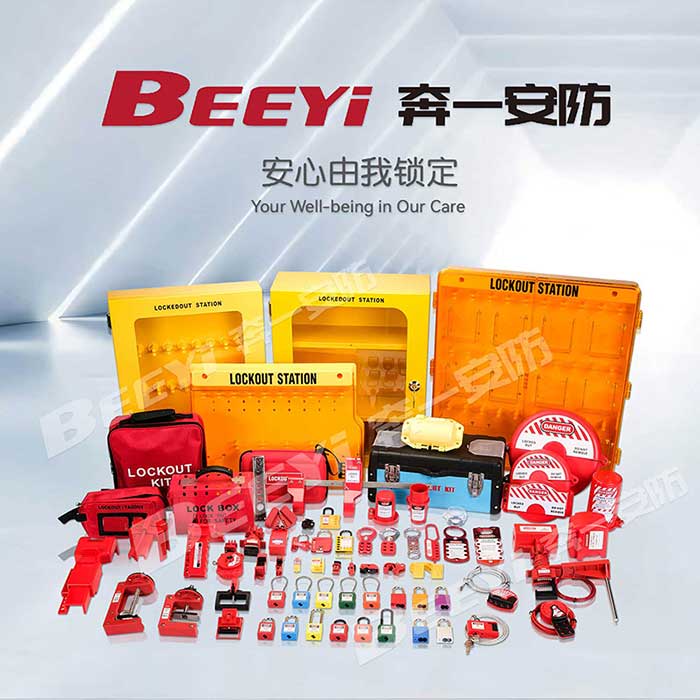
What is a Valve Lockout Device? A valve lockout device is a mechanical tool that is used to secure the valves of equipment systems, ensuring that they cannot be accidentally opened or closed while maintenance is being performed. These devices are essential safety measures that help prevent unintended release of hazardous substances, whether they are chemicals, steam, or gas. By physically locking a valve in place, these devices provide an additional layer of security for workers performing maintenance tasks. Importance of Valve Lockout Devices The use of valve lockout devices is integral to maintaining a safe working environment. Their importance can be highlighted through the following points: