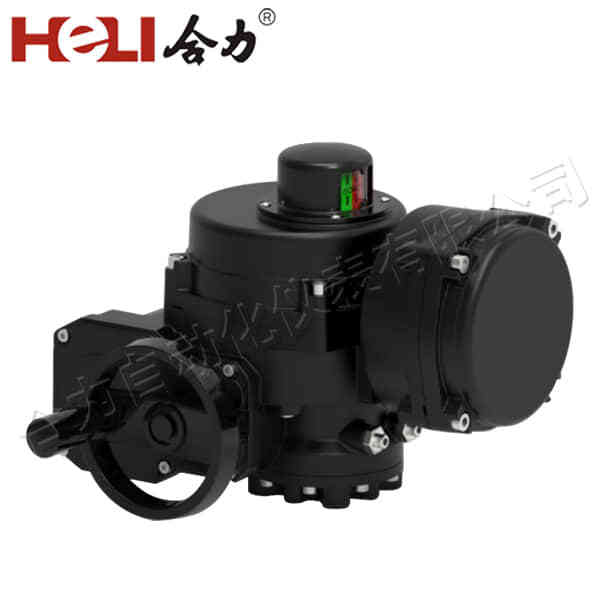
Valve Electric Actuator Manufacturers play a pivotal role in today’s industrial automation landscape. These manufacturers provide crucial components that allow for precise control of valves, which in turn regulate the flow of liquids, gases, or steam within various systems. The development and adoption of electric valve actuators have revolutionized industries ranging from oil and gas to water treatment, energy, and pharmaceuticals. This article explores the growing significance of valve electric actuators, the key players in the manufacturing sector, and the factors that guide the selection process for these devices.
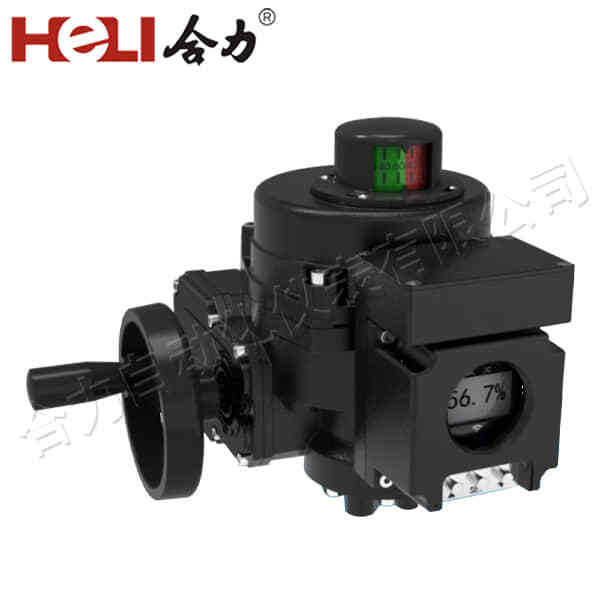
The Importance of Valve Electric Actuators
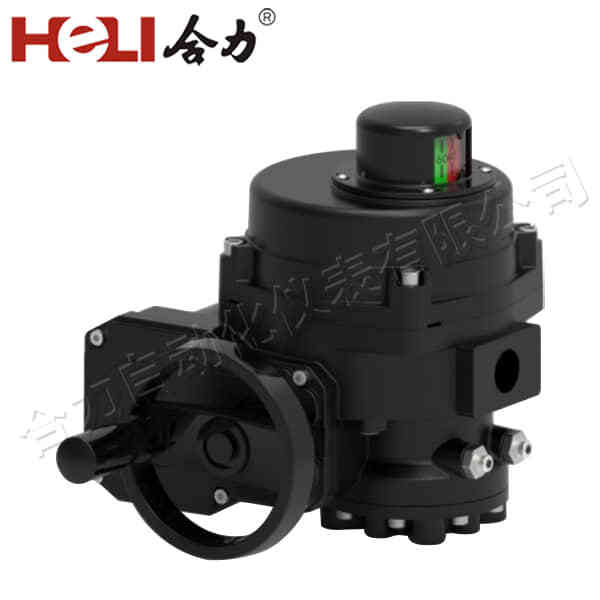
At the core of industrial automation, valve electric actuators provide a means for controlling valve positions with high precision. Unlike traditional manual methods or pneumatic actuators, electric actuators offer more flexibility, accuracy, and integration capabilities. They are crucial in systems that require automated, remote, or real-time control of fluid or gas flow, making them indispensable in modern manufacturing plants, power stations, and infrastructure projects. Electric valve actuators are most commonly used in control valves, isolation valves, and on/off valves. The actuator works by converting electrical energy into mechanical movement, which in turn opens or closes a valve. This mechanism allows for the regulation of fluid or gas flow in pipelines, ensuring the proper function of systems like HVAC, chemical processing, and power generation.