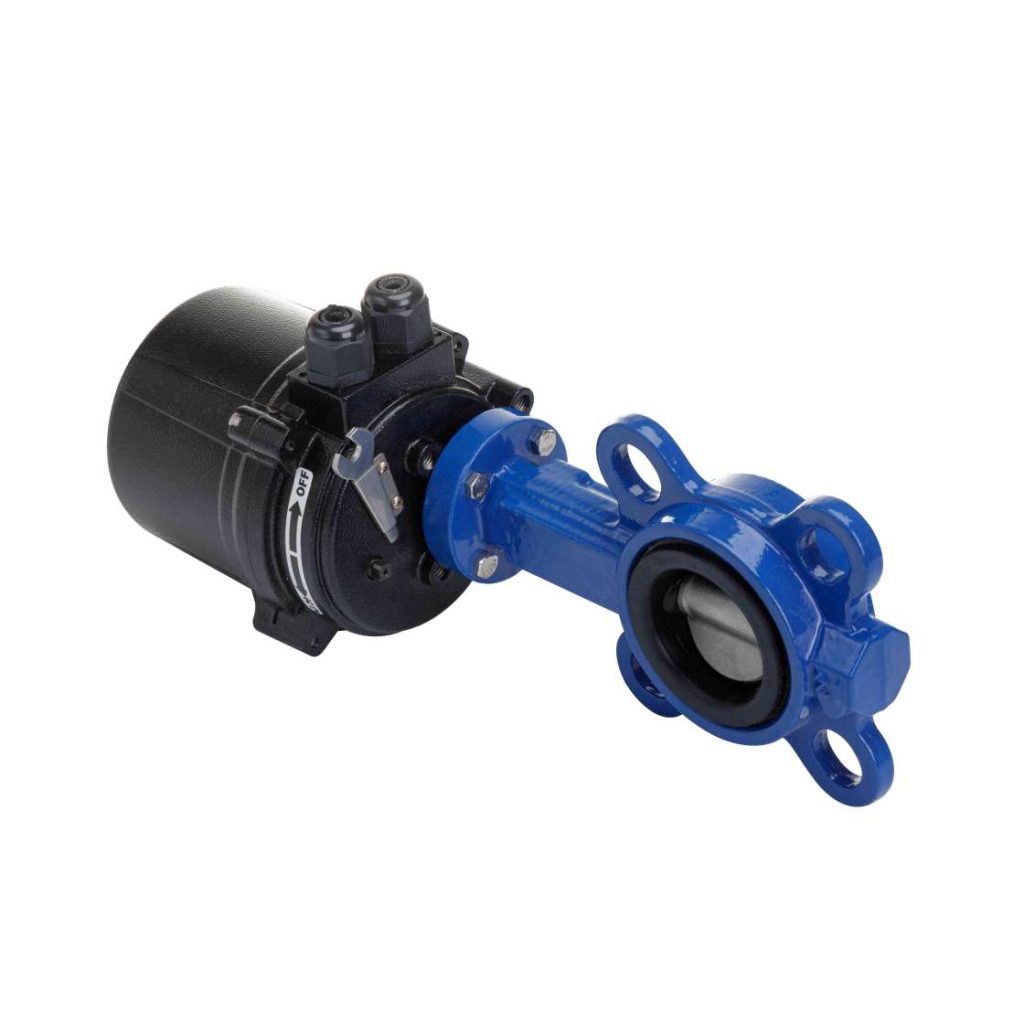
In today’s industrial world, fluid control systems play a critical role in ensuring efficient and safe operations. One such essential component in fluid handling systems is the butterfly valve, and when combined with an electric actuator, it becomes even more versatile. Among the various types of butterfly valves available in the market, the WCB Electric Butterfly Valve stands out for its durability, reliability, and ease of use. This article will explore the key features, benefits, applications, and maintenance considerations of WCB Electric Butterfly Valves, highlighting their importance in modern industrial operations.
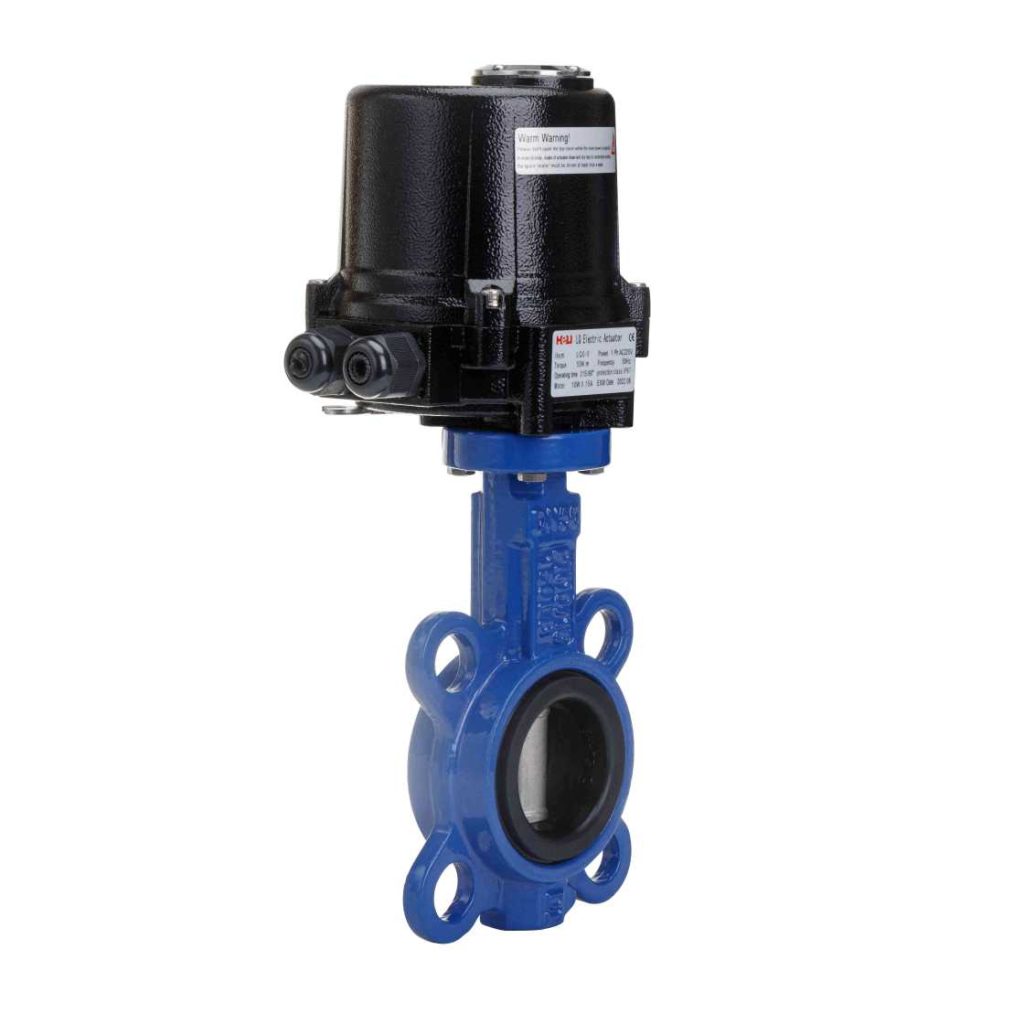
What is a WCB Electric Butterfly Valve?
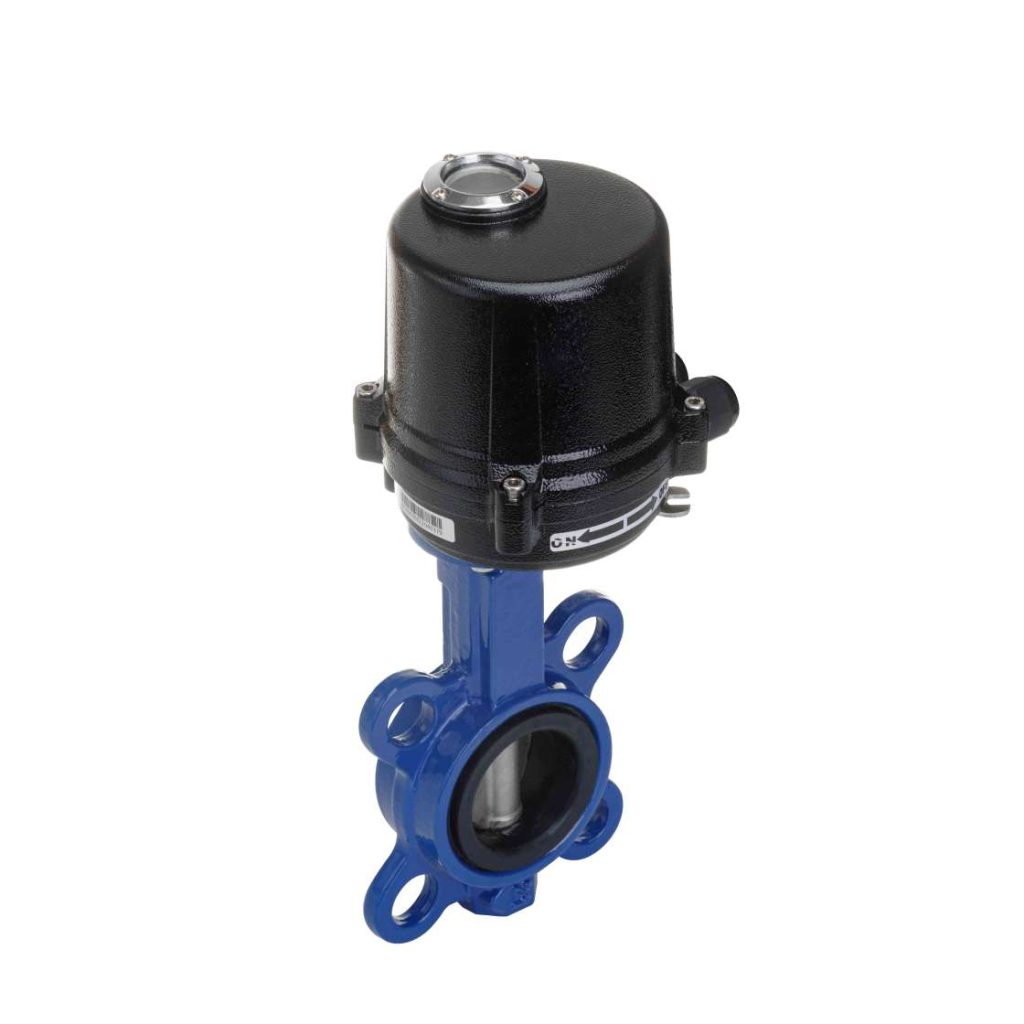
A butterfly valve is a type of quarter-turn valve used for regulating fluid flow in pipelines. The WCB Electric Butterfly Valve refers to a valve made of WCB (Wrought Carbon Steel) material, combined with an electric actuator to control the opening and closing of the valve automatically. The term “electric” indicates that the valve’s actuator is powered by electricity, making it suitable for automated systems and remote operation. The valve consists of a disc or vane that is positioned within the pipe. When the actuator rotates the disc, it either blocks or opens the passage, allowing or stopping fluid flow. This simple design enables the valve to be lightweight, compact, and highly effective in fluid control.