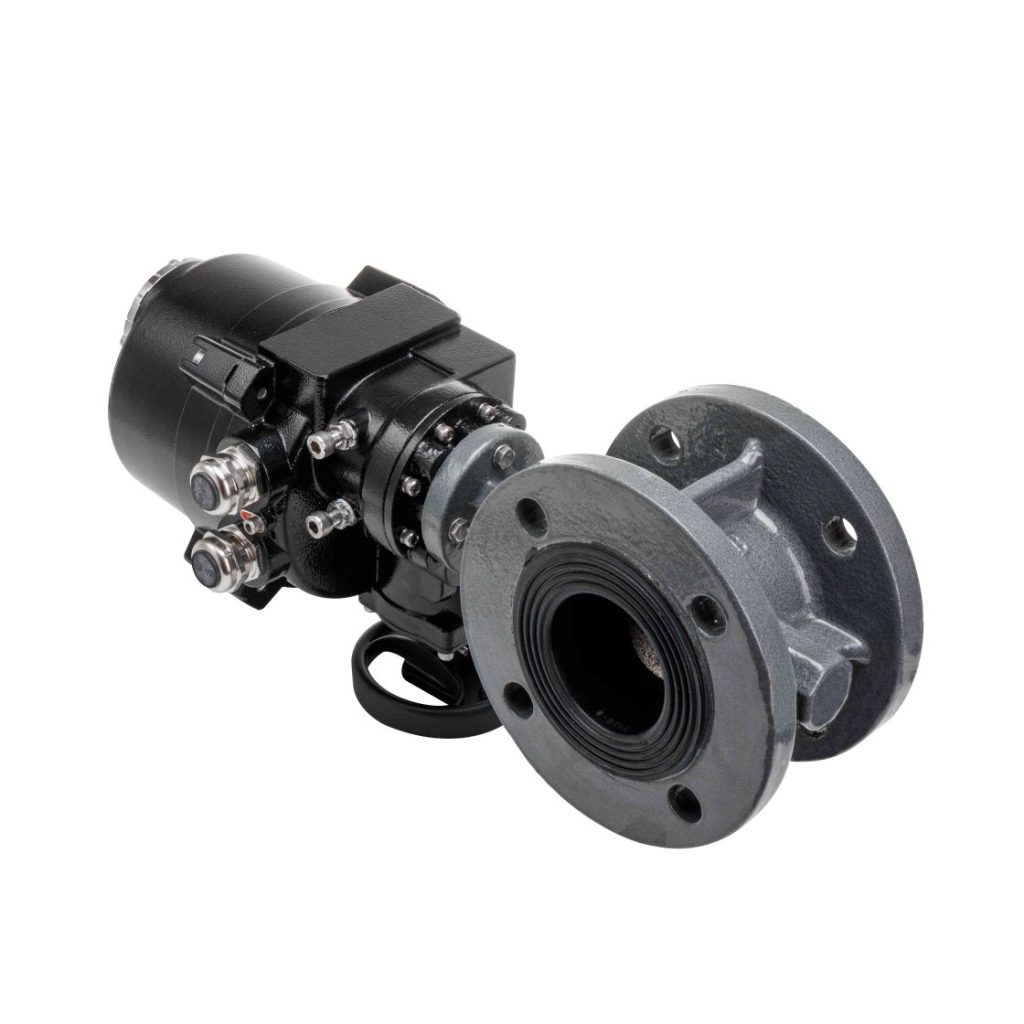
In the modern maritime industry, efficient and reliable control of fluid systems aboard ships is a paramount concern. Marine vessels rely on an intricate network of valves to regulate the flow of liquids and gases in various applications, from engine rooms to cargo holds. Among the many valve types available, the WCB Marine electric ball valve has emerged as a crucial component in improving operational efficiency, safety, and automation in marine applications. This article delves into the features, benefits, and applications of the WCB Marine electric ball valve and why it has become indispensable in the marine industry.
What is the WCB Marine Electric Ball Valve?
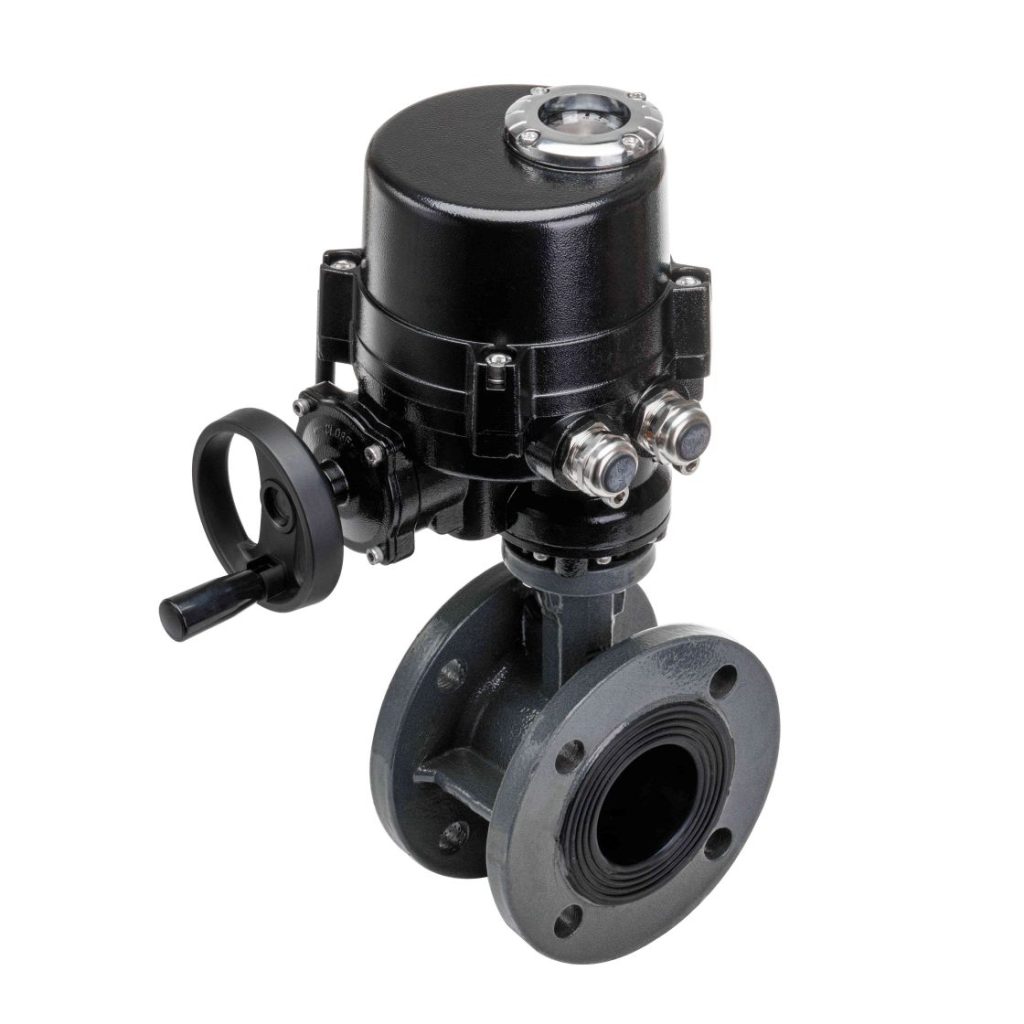
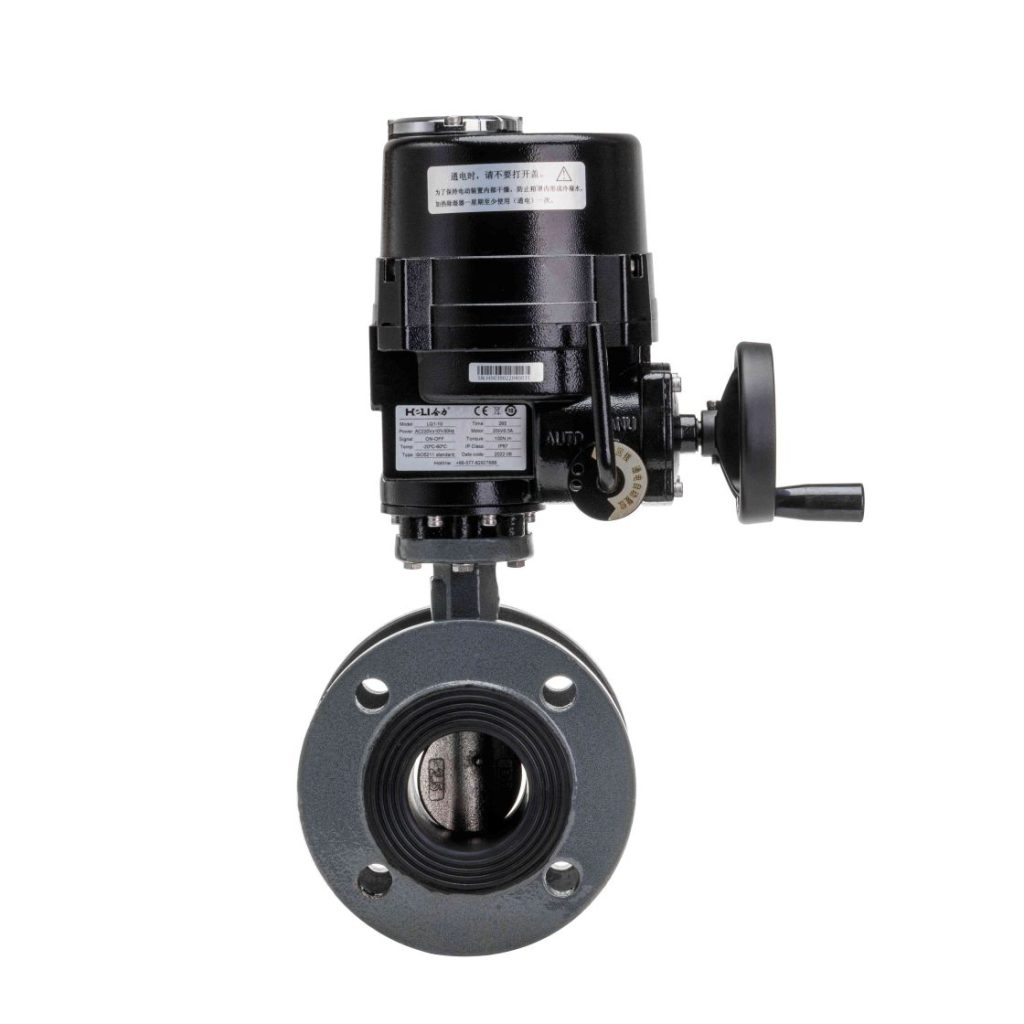
The WCB Marine electric ball valve is a specialized valve designed to control the flow of fluids in maritime systems. The term “WCB” refers to the material composition of the valve body, which is primarily made of carbon steel (WCB is a grade of carbon steel). These valves are equipped with an electric actuator, which enables them to operate automatically without the need for manual intervention. The electric actuator controls the movement of the valve, allowing for precise opening and closing based on input from the vessel’s automation system. These valves are specifically built to withstand the harsh conditions of the marine environment, including high levels of humidity, saltwater exposure, and varying temperatures. As such, they are constructed from materials that resist corrosion, ensuring durability and longevity in demanding maritime conditions.