Relays are essential components in electrical and electronic systems, serving as switches that are controlled by electrical signals. They are widely used in various applications, including automotive, industrial machinery, home appliances, and telecommunications. Understanding the relay characteristics is crucial for selecting the appropriate relay for specific applications and ensuring reliable and efficient system operation. This article explores the key characteristics of relays and their significance in real-world applications.
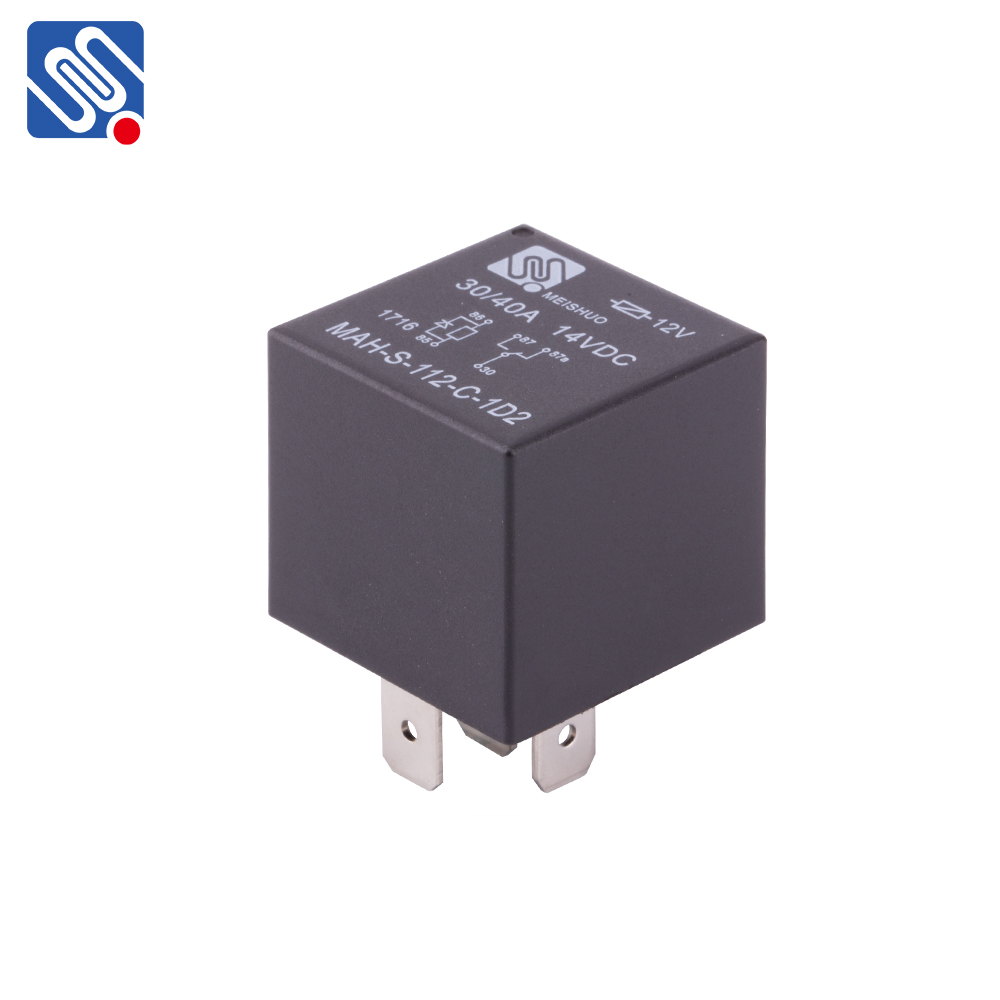
1. Coil Voltage and Coil Resistance One of the primary characteristics of a relay is its coil voltage, which refers to the voltage required to energize the coil and activate the relay. Different relays are designed to operate at various coil voltages, such as 5V, 12V, 24V, and more. The coil voltage should match the control circuit voltage to ensure proper operation. The coil resistance is another important factor, as it determines the current that flows through the coil when the voltage is applied. A low resistance coil will allow more current to pass through, which might lead to higher power consumption. Conversely, a high resistance coil results in lower current flow but may require higher voltages to achieve the same level of activation.