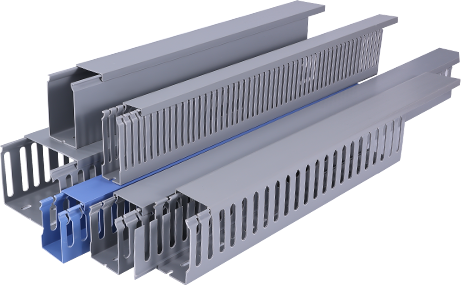
As the global transition to renewable energy accelerates, energy storage systems have become a critical component of balancing intermittent power generation and meeting consistent energy demand. While much attention is focused on battery technology improvements, efficiency gains, and large-scale project deployment, one often-overlooked element plays a foundational role in ensuring these systems operate safely and effectively: the Energy Storage System Raceway. Designed to organize, protect, and route electrical cables, wiring, and interconnections between battery modules, inverters, and grid connections, this seemingly simple infrastructure component has emerged as a key factor in determining the long-term performance, safety, and maintainability of grid-scale and commercial energy storage installations. Without a properly designed and engineered raceway system, even the most advanced battery technologies can suffer from premature wear, increased fire risk, and costly maintenance downtime, making this niche but essential field one of the most competitive growing areas in the renewable energy supply chain.
First, understanding the core functions of an Energy Storage System Raceway reveals why it has become such a critical point of competition among infrastructure manufacturers. Unlike standard electrical raceways used in commercial buildings, energy storage raceways are engineered to withstand unique operating conditions: they must accommodate high current loads, resist thermal degradation from frequent charge-discharge cycles, protect cables from moisture, dust, and chemical corrosion, and compartmentalize wiring to prevent fault propagation in the event of a thermal runaway. The global push toward larger energy storage projects, with many new installations exceeding 100 megawatts of capacity, means that raceways must be scalable, easy to install on-site, and adaptable to different system configurations, from containerized battery units to open-rack indoor installations. This combination of specialized performance requirements and growing project scale has created a race among manufacturers to develop lighter, more durable, and more cost-effective raceway solutions that meet the strict safety standards set by organizations like NFPA and IEC.
Secondly, the competitive landscape of the Energy Storage System Raceway market is being shaped by evolving safety regulations and sustainability requirements. In recent years, high-profile thermal runaway incidents in large energy storage facilities have pushed regulators to tighten standards for cable management and fire containment, forcing raceway manufacturers to innovate rapidly. Many leading companies are now developing non-combustible materials, such as reinforced fiberglass and coated aluminum, that offer better fire resistance than traditional plastic or galvanized steel, while also reducing overall project weight to simplify installation. Additionally, as the renewable energy sector prioritizes carbon neutrality across the entire supply chain, manufacturers are competing to produce raceways with recycled content and low-emission manufacturing processes, turning sustainability into a key differentiator in market bidding. This regulatory pressure has not only raised the bar for product performance but also opened opportunities for new entrants with innovative material technologies to capture market share from established industrial suppliers.
In addition, the growth of distributed energy storage is creating new demands that are reshaping the Energy Storage System Raceway market. While utility-scale projects drive demand for large, standardized raceway systems, residential and commercial distributed storage installations require smaller, more flexible solutions that can be adapted to limited spaces, such as rooftop arrays and basement storage units. Many manufacturers are now developing modular raceway systems that can be cut and configured on-site, reducing installation time and labor costs for small-scale projects. This shift toward modularity also aligns with the needs of utility-scale projects, where prefabricated modular components can cut construction timelines from months to weeks, allowing project developers to meet tight grid interconnection deadlines. The ability to offer both standardized large-scale solutions and flexible modular options has become a key competitive advantage in the current raceway market.
Finally, looking ahead, the Energy Storage System Raceway race is expected to intensify as global energy storage capacity projections continue to rise. The International Energy Agency estimates that global energy storage capacity will need to increase more than tenfold by 2030 to meet net-zero emission targets, which will translate to exponential growth in demand for high-quality cable management infrastructure. Manufacturers that can continue to innovate in material science, modular design, and sustainable production will be best positioned to capture this growing market. For project developers and system integrators, investing in high-quality raceway systems is no longer an afterthought—it is a core strategic decision that impacts long-term project safety, operational costs, and compliance with evolving regulations. As the energy transition continues to accelerate, the race to build better energy storage infrastructure will keep focusing attention on this unsung but critical component of the modern power grid.