In the complex world of electrical and electronic systems, proper cable management is far more than a cosmetic concern—it is a critical factor that impacts system performance, maintenance efficiency, and long-term safety. Among the various cable management solutions available today, open-slot wiring duct stands out as a particularly adaptable and practical option for a wide range of applications, from industrial control panels to commercial data centers and even residential smart home setups. Unlike closed or solid wiring enclosures, open-slot wiring duct features evenly spaced openings along its length that allow cables to enter and exit at any point, creating a level of flexibility that traditional rigid cable management systems cannot match. This unique design has made it a go-to choice for engineers, electricians, and system integrators who prioritize both organization and adaptability in their projects. First, it is important to understand the core design characteristics that set open-slot wiring duct apart from other cable management products. Most open-slot wiring ducts are manufactured from durable, non-conductive materials such as polyvinyl chloride (PVC), ABS plastic, or flame-resistant polycarbonate, which meet strict industry safety standards for electrical installations. The evenly spaced slots along the side walls of the duct are typically cut at consistent intervals, ranging from 0.25 inches to 1 inch depending on the duct size and intended application. This open structure eliminates the need to pre-drill holes or cut custom openings when routing cables, which drastically reduces installation time compared to closed conduit systems. Electricians can simply pull individual cables out through the nearest slot to connect to components, rather than feeding the entire length of cable through a single pre-cut opening at the end. This design also makes it easy to add, remove, or re-route cables after the initial installation, a major advantage in systems that are expected to evolve over time. Secondly, open-slot wiring duct offers significant practical benefits that directly improve system functionality and reduce long-term maintenance costs. The open design promotes consistent air circulation around cables, which helps dissipate heat generated by high-current conductors or active electronic components. In crowded control panels or data center server racks, overheating is a common cause of premature component failure, so improved thermal management from open-slot duct can extend the service life of expensive equipment and reduce the risk of unexpected downtime. Additionally, the visible open slots make it easy to identify individual cables during troubleshooting or upgrades, eliminating the need to unwrap bundled cables or disassemble entire enclosures to trace a faulty connection. This not only speeds up maintenance work but also reduces the risk of accidental damage to adjacent working cables during repairs. For industrial facilities that rely on continuous operation, even a 15-minute reduction in troubleshooting time can translate to thousands of dollars in avoided production losses, making open-slot wiring duct a cost-effective long-term investment. Another key advantage of open-slot wiring duct is its remarkable versatility across diverse application environments. In industrial control panels, where dozens of sensors, actuators, and power connectors need to be organized in a limited space, small to medium-sized open-slot duct can neatly separate power and signal cables to reduce electromagnetic interference, improving the reliability of sensitive control signals. In commercial office buildings, open-slot duct is often used under raised flooring or along wall trunks to manage data and power cables for workstations, allowing facility managers to easily reconfigure office layouts without rewiring the entire space. Even in residential applications, modern smart home installations with multiple low-voltage cables for lighting, security systems, and entertainment devices can benefit from open-slot wiring duct installed in wall cavities or behind entertainment centers, keeping cables organized and easy to access for future upgrades. In addition to these functional benefits, modern open-slot wiring duct products have addressed many of the historical drawbacks that once made some installers hesitant to adopt the technology. Early open-slot designs had sharp edges on cut slots that could damage cable insulation during installation, but modern manufacturing processes create smooth, rounded slot edges that eliminate this risk. Many manufacturers now offer flame-retardant and UV-resistant variants for outdoor or high-temperature industrial applications, as well as halogen-free options for environments where toxic fume release during a fire is a major concern. Accessory components such as matching covers, end caps, mounting brackets, and divider pieces are also widely available, allowing installers to create fully customized cable management systems that fit any space or requirement. Finally, when compared to other cable management solutions, open-slot wiring duct offers an exceptional balance of cost, performance, and flexibility. While solid conduit offers higher physical protection for outdoor underground installations, it is far more expensive and time-consuming to modify after installation, making it a poor choice for applications that require frequent changes. Adhesive cable ties and raceways are cheaper for small installations, but they do not offer the same level of long-term organization and accessibility as open-slot duct. For most indoor electrical and electronic systems, open-slot wiring duct strikes the ideal balance, delivering better accessibility, easier maintenance, and greater flexibility at a price point that fits most project budgets. As modern electrical systems continue to grow in complexity and require more frequent updates, the demand for adaptable cable management solutions like open-slot wiring duct is only expected to increase. For professionals and hobbyists alike, understanding the benefits and proper application of open-slot wiring duct can help create safer, more efficient, and more maintainable electrical systems for years to come.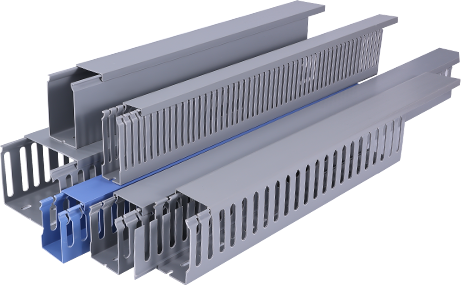
Open-slot Wiring Duct: A Versatile Solution for Modern Electrical Organization
by
Tags: