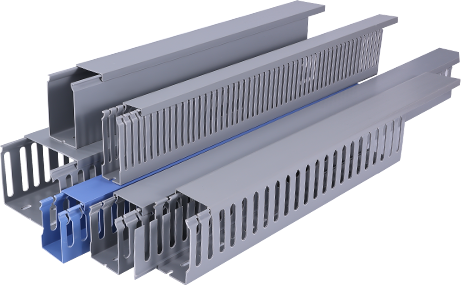
When it comes to building safe, organized, and long-lasting electrical systems, few components play as critical a role as metal raceway. Often overlooked in discussions of construction and infrastructure, this versatile wiring management solution provides structural protection, organization, and safety that alternative materials struggle to match. From commercial office buildings to industrial manufacturing facilities, and even residential high-rises, metal raceway has become a standard choice for electrical contractors and engineers who prioritize reliability and compliance with modern building codes. Understanding its unique benefits, common applications, and best practices for installation can help construction professionals and property owners make informed decisions that pay off over the entire lifespan of a building.
First, it is important to define what metal raceway actually encompasses. Broadly speaking, metal raceway refers to any enclosed channel constructed from steel, aluminum, or galvanized metal designed to hold and protect electrical wires, cables, and communication lines. It comes in several common forms, including surface-mounted raceways, underfloor raceways, and conduit-style raceways, each tailored to specific installation needs. Unlike plastic alternatives, metal raceway offers inherent physical strength that resists damage from impact, moisture, and extreme temperatures. This durability makes it particularly well-suited for high-traffic areas or harsh environments where wiring could be exposed to accidental damage or environmental stress. Additionally, metal raceway provides inherent electromagnetic shielding, which prevents interference between power cables and sensitive data or communication lines—a critical feature in modern buildings filled with digital devices and network infrastructure.
Secondly, the safety benefits of metal raceway set it apart from other wiring management options. All metal varieties are non-combustible, meaning they will not contribute to the spread of fire in the event of an electrical fault. This aligns with strict global building code requirements for commercial and industrial structures, where fire safety is a top priority. In contrast, plastic raceways can melt or release toxic fumes when exposed to high heat, increasing fire risk and complicating emergency evacuation efforts. Metal raceway also provides reliable grounding, which reduces the risk of electric shock if a wire inside the raceway develops a fault in its insulation. This grounded protective layer adds an extra level of safety for building occupants and maintenance workers, minimizing the chance of dangerous electrical accidents. For facilities that handle flammable materials or gases, such as chemical plants or oil refineries, the non-sparking properties of properly installed aluminum or steel raceway further reduce the risk of catastrophic accidents.
Another key advantage of metal raceway is its flexibility and adaptability for long-term building use. As businesses and facilities evolve, their electrical and communication needs change frequently—new equipment is added, workspaces are reconfigured, and network infrastructure is upgraded. Metal raceway systems are designed to accommodate these changes easily, allowing electricians to pull new cables or modify existing wiring layouts without damaging walls or requiring major construction work. Surface-mounted metal raceway, in particular, is a popular choice for retrofitting older buildings, as it eliminates the need to cut into existing walls or ceilings, reducing installation time and disruption to daily operations. This adaptability extends the functional lifespan of a building’s electrical system, reducing long-term maintenance costs and avoiding the need for full rewiring projects that can be costly and disruptive.
Additionally, metal raceway offers aesthetic benefits that are often underappreciated. Modern manufacturing processes have produced sleek, low-profile metal raceway designs that can be painted to match wall or ceiling colors, blending seamlessly into any interior design scheme. Unlike exposed wiring, which looks messy and unprofessional, a well-installed metal raceway system creates a clean, organized appearance that adds value to commercial and retail spaces. For open-concept offices or industrial facilities where exposed infrastructure is part of the design aesthetic, unfinished metal raceway can even be used as a design feature, adding an industrial minimalist touch that aligns with contemporary architectural trends.
Of course, it is important to acknowledge that metal raceway is not the ideal solution for every project. It typically has a higher upfront material cost than plastic raceway, and installation can require more specialized tools and labor, particularly when cutting and bending metal to fit custom layouts. For small residential projects with low voltage requirements, plastic may remain a more cost-effective choice. However, when factoring in the long lifespan, low maintenance requirements, and safety benefits of metal raceway, the total cost of ownership over the life of the building is often lower than alternative solutions. Property owners and developers who prioritize long-term value over short-term cost savings consistently choose metal raceway for core electrical infrastructure.
In conclusion, metal raceway remains an essential component of modern electrical infrastructure, offering unmatched durability, safety, and adaptability that make it worth the investment for most commercial, industrial, and large residential projects. As buildings become more dependent on digital technology and complex electrical systems, the demand for reliable wiring protection that can accommodate future growth will only continue to rise. By understanding the unique benefits of metal raceway and selecting the right type for each application, construction professionals can build electrical systems that are safe, organized, and flexible enough to meet the needs of today and tomorrow. It is easy to overlook this simple component, but without high-quality metal raceway, even the most advanced building designs would struggle to maintain safe, functional electrical systems over time.