In the realm of modern agriculture and landscaping, efficient water management is paramount. One of the critical components that facilitate this efficiency is the watering system solenoid valve. This device plays a crucial role in automated irrigation systems, allowing for precise control of water delivery to plants and crops, thereby conserving water and enhancing the growth of vegetation. In this article, we will explore the workings, benefits, and considerations of using solenoid valves in watering systems.
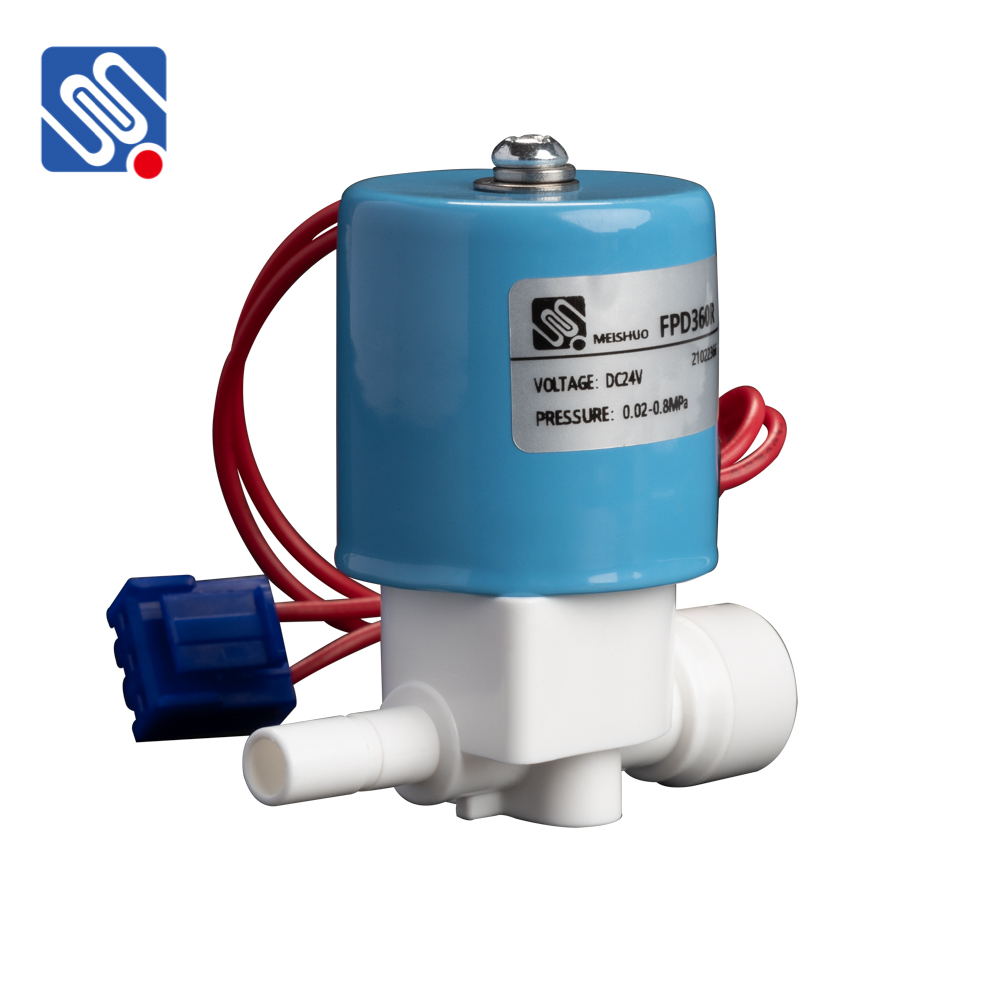
What is a Watering System Solenoid Valve? A solenoid valve is an electromechanical device that controls the flow of water in irrigation systems. It consists of a cylindrical body housing a solenoid coil and a movable core. When an electric current passes through the coil, it generates a magnetic field that either opens or closes the valve, regulating the passage of water. Typically, solenoid valves can be classified into two types: normally closed (NC) and normally open (NO). In NC valves, water flow is blocked when no power is supplied; conversely, in NO valves, water flows freely until power is applied.