Solenoid valves are integral components used for controlling the flow of fluids in various systems, from industrial machinery to domestic water systems. Among the many types of solenoid valves available, Stainless Steel and Plastic Solenoid Valves stand out due to their unique properties, each suited to specific applications. This article will explore the characteristics, advantages, and typical uses of both stainless steel and plastic solenoid valves, helping you choose the right type for your needs.
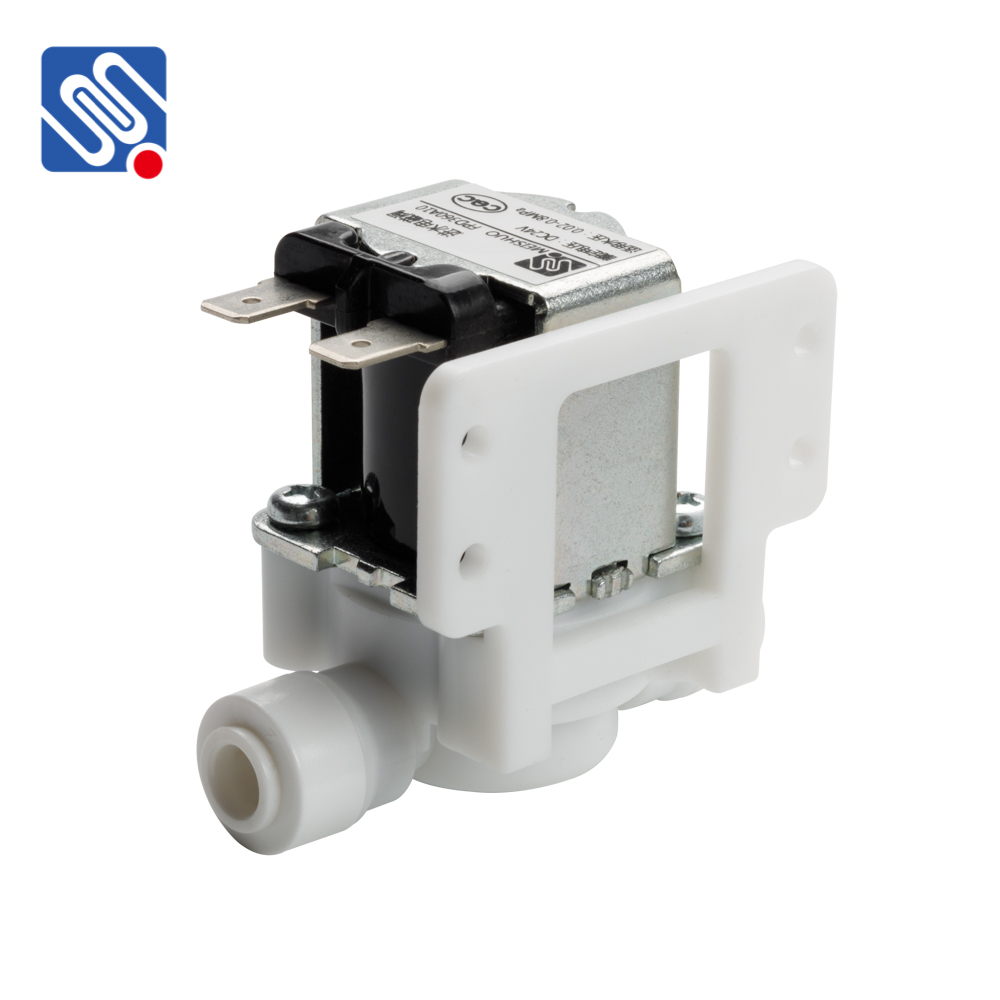
What Are Solenoid Valves? A solenoid valve is an electromechanical valve used to control the flow of fluids. The valve uses an electromagnetic coil to operate the valve’s opening and closing mechanism, providing precise control over the flow. These valves are widely used for both on/off control and flow regulation in systems that involve gases, liquids, or steam. Stainless Steel Solenoid Valves: Durability Meets Precision Stainless Steel Solenoid Valves are constructed using high-quality stainless steel, a material known for its excellent resistance to corrosion, extreme temperatures, and high pressures. This makes them an ideal choice for applications where durability and reliability are paramount.