Motor Control Power Relays are pivotal components in modern industrial automation systems. These devices are designed to control and protect motors in a variety of applications, from manufacturing plants to HVAC systems. Their primary role is to manage the switching and protection of electric motors, ensuring they run efficiently, safely, and reliably. This article delves into the working principle, applications, and advantages of Motor Control Power Relays.
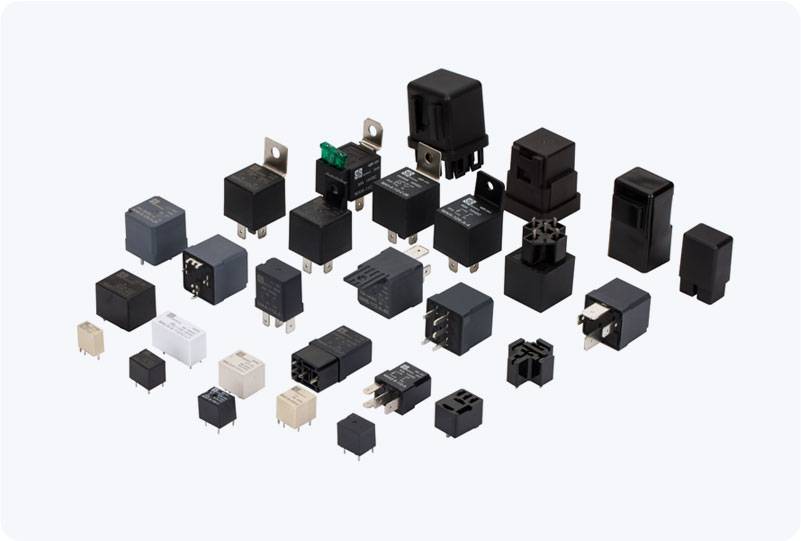
Working Principle of Motor Control Power Relays At the core of any motor control system is the ability to turn the motor on or off, which is precisely what a Motor Control Power Relay accomplishes. It is essentially an electromagnetic device that operates by opening or closing contacts based on the current supplied to its coil. When current flows through the coil, a magnetic field is generated that pulls the contacts together, allowing the motor to run. When the coil is de-energized, the contacts return to their original state, stopping the motor. Motor Control Power Relays can also be integrated with other components such as contactors and overload relays to provide a comprehensive solution for motor control. A contactor is used to handle the large currents required to operate industrial motors, while the overload relay adds an additional layer of protection by monitoring motor performance and preventing damage from overcurrent situations.