In the construction and industrial sectors, safety is paramount, especially in high-risk environments such as scaffolding. Workers who are involved in scaffolding installation, maintenance, or deconstruction are often exposed to dangerous situations, which can result in accidents or injuries if proper precautions are not in place. One of the most effective ways to prevent such incidents is through the use of Scaffolding Lockout Tags. These specialized tags play a crucial role in ensuring that all scaffolding-related tasks are performed safely and systematically. This article explores the significance of Scaffolding Lockout Tags and how factories contribute to improving safety on construction sites.
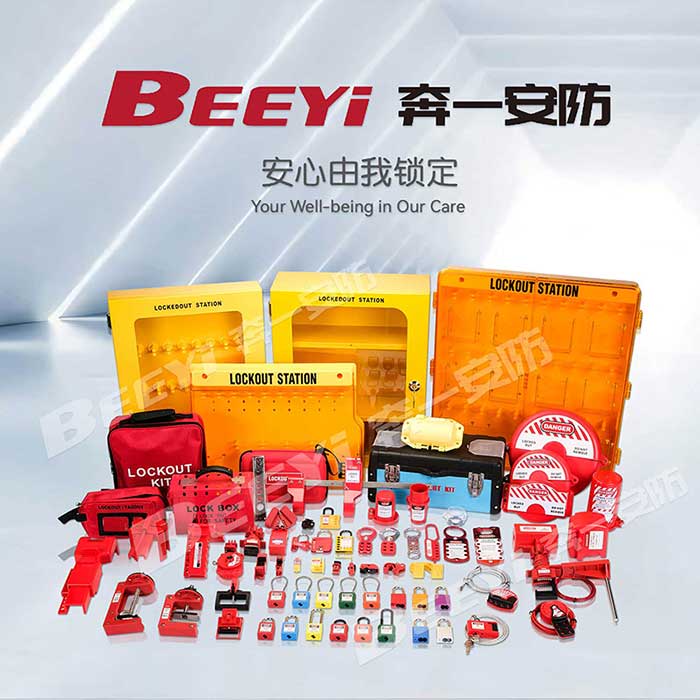
What Are Scaffolding Lockout Tags? Scaffolding Lockout Tags are safety devices used to clearly mark areas of scaffolding that are either under construction, maintenance, or require attention. They are part of the larger lockout/tagout (LOTO) system, which is designed to prevent the accidental release of hazardous energy during maintenance or servicing. Scaffolding Lockout Tags are typically attached to scaffolding elements that are locked out, and they provide crucial safety information to workers, such as warning them not to operate or disturb the scaffolding system. The main purpose of these tags is to inform workers that the equipment or area is not safe to access or use. For instance, if scaffolding has been deactivated for maintenance or inspection, the lockout tag ensures that no worker accidentally operates or removes the equipment, reducing the risk of injury or death. These tags are often accompanied by physical locks, making it impossible for unauthorized personnel to interfere with the equipment.