Relays are crucial components in electrical circuits, acting as electrical switches that control the flow of current to various devices. They are used extensively in industrial, automotive, home automation, and telecommunications systems. One of the most important specifications to consider when selecting a relay is its current rating. The relay current rating defines the maximum current that the relay’s contacts can safely carry and switch without damage. Understanding relay current ratings is essential to ensure the reliability, longevity, and safety of electrical systems.
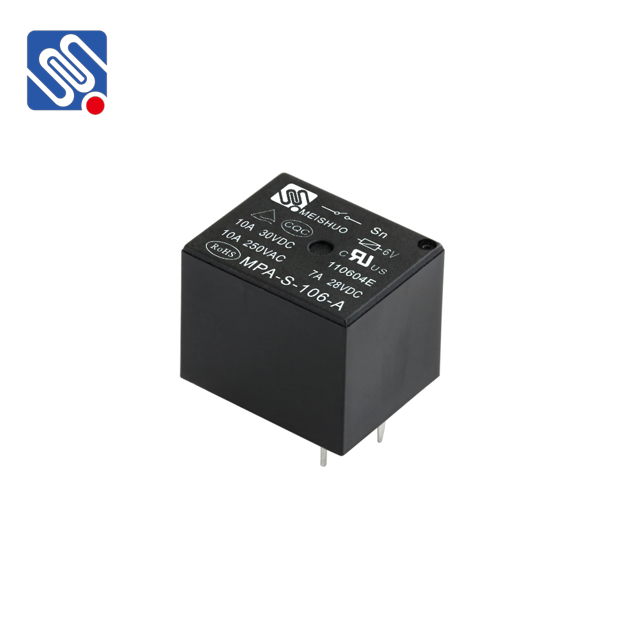
What is Relay Current Rating? The relay current rating is essentially the maximum amount of electrical current the relay’s contacts can handle while performing their switching function. It is expressed in amperes (A) and is typically provided for both AC (alternating current) and DC (direct current) applications. Different types of relays have different current ratings, and selecting a relay with an appropriate current rating is critical for both performance and safety. Key Aspects of Relay Current Rating Contact Current Rating The contact rating specifies the maximum current that can flow through the relay’s contacts without causing damage. It is crucial to ensure that the relay is selected based on the maximum load it will control. This rating typically comes with two values: one for AC and one for DC currents. For instance, a relay may have a contact rating of 10A @ 120V AC or 5A @ 24V DC. The AC rating generally tends to be higher than the DC rating because AC power allows for current to naturally zero out at regular intervals, reducing the chances of arc formation.