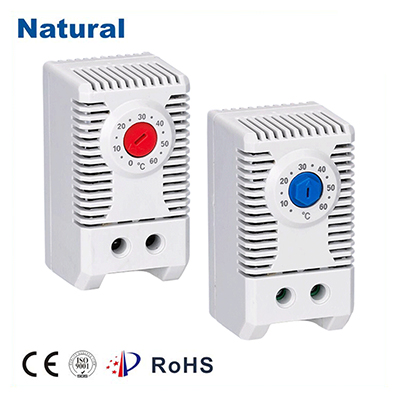
Bimetal thermostat thermostats are essential components in various heating and cooling systems, playing a critical role in temperature regulation. These devices operate based on the principle of thermal expansion, using two different metals that expand at different rates when heated. This article explores the functionality, advantages, and applications of bimetal thermostat thermostats, highlighting their significance in modern temperature control systems.
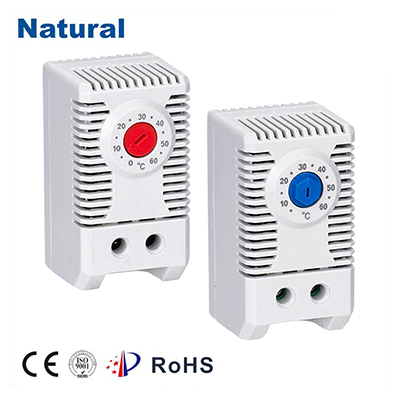
What is a Bimetal Thermostat?
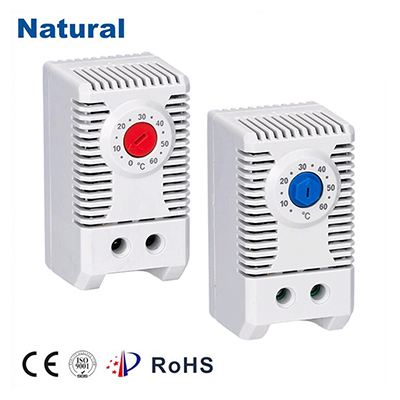
A bimetal thermostat consists of two strips of different metals bonded together. Commonly used metals include steel and copper, which are chosen for their distinct thermal expansion properties. When the temperature changes, the metal strips expand at different rates, causing the bimetallic strip to bend. This bending action is used to open or close an electrical circuit, thereby regulating the heating or cooling system. How Does it Work? The operation of a bimetal thermostat can be broken down into several key steps: Temperature Change: When the ambient temperature rises or falls, the bimetallic strip reacts to the change.