Insulation Monitoring Relays (IMRs) are critical components in modern electrical systems, designed to continuously monitor the insulation resistance between live conductors and earth. These devices are essential for maintaining the safety and reliability of both industrial and medical electrical installations. By detecting early signs of insulation degradation, IMRs help prevent electrical faults, reduce downtime, and protect personnel and equipment from potentially dangerous situations.
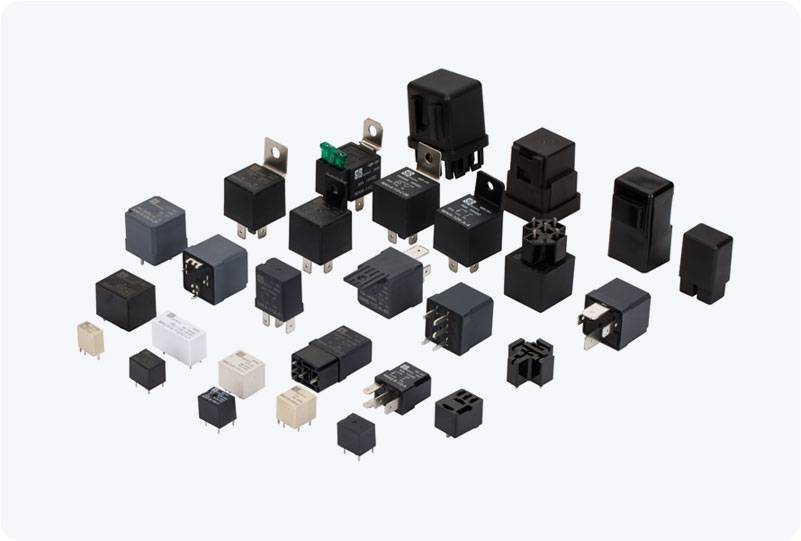
The primary function of an Insulation Monitoring Relay is to measure the insulation resistance of a system in real time. Electrical systems, particularly those operating in industrial plants or medical facilities, are exposed to various stresses such as moisture, temperature fluctuations, and mechanical wear, all of which can degrade insulation over time. A drop in insulation resistance increases the risk of leakage currents, which may lead to electric shocks, short circuits, or even fire hazards. IMRs continuously assess the insulation resistance against a predetermined threshold, and if the value falls below the safe limit, the relay triggers an alarm or initiates a protective response to prevent further risks.