As modern vehicles become increasingly dependent on advanced electronic components, from infotainment systems and driver assistance technologies to electric vehicle (EV) powertrain controls, the demand for organized, reliable electrical infrastructure has never been higher. At the center of this infrastructure is wiring duct for automotive electrical systems, a specialized component that plays a critical role in protecting, organizing, and routing vehicle wiring harnesses. Unlike generic cable management solutions used in industrial or residential settings, automotive-grade wiring ducts are engineered to withstand the extreme operating conditions unique to mobile transportation, making them an indispensable part of modern vehicle design. This article will explore the core functions, key performance requirements, material selection, and emerging trends of wiring ducts in modern automotive electrical systems, providing valuable insights for automotive engineers and design professionals. First, it is important to understand the core functions that wiring duct serves in automotive electrical systems beyond basic cable organization. In a typical passenger vehicle, there can be hundreds of individual wires running from the front engine compartment to the rear cabin, spanning multiple electronic control units, sensors, and power accessories. Without proper routing and containment, these wires would be vulnerable to shifting, chafing against sharp metal body panels, or being damaged by heat, moisture, and road debris. Wiring ducts create a dedicated, protected pathway for wiring bundles, holding them in place even when the vehicle experiences constant vibration from uneven road surfaces. This organization also simplifies manufacturing and maintenance processes: when wires are grouped neatly in labeled ducts, technicians can quickly identify and repair faulty circuits without sorting through a messy tangle of wires, reducing service time and minimizing the risk of incorrect repairs. Secondly, automotive wiring ducts must meet strict performance requirements that address the harsh operating environment of vehicles. Unlike indoor cable management solutions, wiring ducts in automotive applications are exposed to wide temperature fluctuations, ranging from -40°C in cold winter climates to over 150°C near engine components or exhaust systems. They must also resist exposure to automotive fluids including motor oil, coolant, brake fluid, and battery acid, without cracking, swelling, or degrading over the vehicle’s 10+ year service life. Additionally, automotive wiring ducts must meet stringent flammability standards set by organizations like the Society of Automotive Engineers (SAE) and ISO, to prevent the spread of fire in the event of an electrical fault. For electric and hybrid vehicles, the requirements are even more rigorous: high-voltage wiring ducts must provide additional electrical insulation to prevent short circuits and protect passengers from accidental contact with high-power lines, while also managing the heat generated by high-current flow. Another key consideration for automotive wiring ducts is material selection, which directly impacts performance, cost, and sustainability. Traditionally, most automotive wiring ducts were made from rigid or semi-rigid polyvinyl chloride (PVC), which offers good insulation properties and low production costs. However, PVC has drawbacks including poor low-temperature flexibility, higher fire risk without added flame retardants, and challenges with end-of-life recycling, leading many manufacturers to shift to alternative materials. Today, the most popular materials are modified polypropylene (PP) and acrylonitrile butadiene styrene (ABS), which offer excellent impact resistance, temperature stability, and chemical resistance at a moderate cost. For high-temperature applications near engines or exhaust systems, engineering thermoplastics such as polyamide (nylon) or polybutylene terephthalate (PBT) are commonly used, as they can maintain structural integrity at temperatures above 150°C. In recent years, automotive manufacturers have also begun adopting bio-based thermoplastics for wiring ducts, aligning with industry-wide goals to reduce carbon footprints and improve the recyclability of vehicle components. Additionally, modern wiring duct design is evolving to meet the needs of increasingly complex automotive electrical architectures. With the growth of connected cars and autonomous driving systems, the number of wires and electronic components in vehicles has increased dramatically, leading to higher demand for compact, modular wiring duct solutions. Many designers now use split or slotted wiring duct designs that allow for easier installation of wires during manufacturing, while also enabling technicians to add or remove wires without removing the entire duct. For electric vehicles, manufacturers are developing custom-shaped wiring ducts that fit tightly along the vehicle’s chassis and battery pack, maximizing space efficiency while providing the high level of protection required for high-voltage systems. Some designs also integrate additional features such as mounting clips, heat dissipation fins, and shielding for electromagnetic interference (EMI), which prevents sensitive electronic signals from being disrupted by high-current power lines. Finally, as the automotive industry continues to transition toward electrification and autonomous technology, the role of wiring duct for automotive electrical systems will only grow in importance. Investing in high-quality, application-engineered wiring duct solutions not only improves the reliability and safety of vehicle electrical systems but also reduces long-term maintenance costs and supports sustainable manufacturing goals. Automotive designers and engineers must carefully consider performance requirements, material properties, and system integration when selecting wiring ducts, to ensure they meet the evolving demands of modern vehicles. By understanding the core principles of automotive wiring duct design, manufacturers can build safer, more reliable, and more efficient vehicles for the future.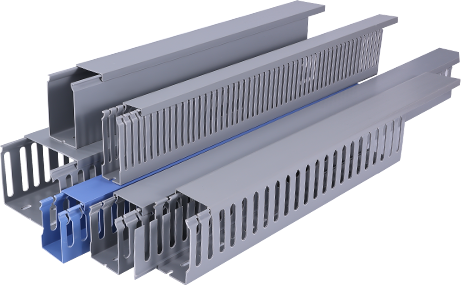
Understanding Wiring Duct for Automotive Electrical Systems: Key Benefits and Design Considerations
by
Tags: