As modern electrical infrastructure grows increasingly complex, with more connected devices, higher power demands, and distributed energy systems becoming the norm, the importance of organized cable management cannot be overstated. Wiring duct for electrical infrastructure has emerged as a foundational component that keeps installations safe, accessible, and scalable, addressing many of the common challenges that come with expanding power and data networks. From commercial building electrical rooms to industrial manufacturing floors and renewable energy farm distribution hubs, proper wiring duct implementation directly impacts the long-term performance and safety of entire electrical systems. This article explores the core functions, key advantages, and critical considerations for selecting and installing wiring duct in modern electrical infrastructure projects. First, it is essential to understand the core purpose of wiring duct for electrical infrastructure beyond basic cable containment. Unlike temporary cable ties or open cable trays, wiring duct is designed to fully enclose, separate, and organize low-voltage power cables, control wiring, and data communication lines within electrical enclosures, distribution panels, and pathway runs throughout a facility. This enclosure serves two immediate critical functions: it protects cables from physical damage, moisture, dust, and chemical exposure in industrial or outdoor environments, and it prevents accidental contact between live conductors and maintenance personnel, significantly reducing the risk of electrical shocks or arc flash incidents. In large infrastructure projects where hundreds of individual cables may run through a single distribution hub, wiring duct also eliminates cable clutter, making it easier for technicians to trace specific circuits, perform upgrades, or troubleshoot issues without disrupting entire systems. This organizational benefit translates directly to reduced downtime during maintenance, which is a critical priority for facilities that rely on continuous power operation. Secondly, modern wiring duct products offer a range of design features that align with the evolving needs of today’s electrical infrastructure. Traditional rigid metal wiring ducts remain popular for high-temperature industrial environments where flame resistance and mechanical strength are required, but non-metallic PVC and halogen-free polypropylene wiring ducts have gained significant traction in commercial and renewable energy applications due to their lightweight construction, corrosion resistance, and lower material costs. Many modern wiring duct designs also feature pre-slotted side walls, which allow installers to easily remove sections of the duct to branch cables off to different circuits without cutting the entire duct, speeding up installation and reducing material waste. For infrastructure projects that require compliance with strict environmental regulations, halogen-free wiring duct options also reduce toxic fume emissions in the event of a fire, improving overall building safety for occupants and first responders. Another key design innovation is adjustable wiring duct systems that can be modified as infrastructure expands, allowing facility managers to add new circuits or data lines without replacing the entire cable management system, which lowers long-term upgrade costs for growing operations. Additionally, the use of proper wiring duct for electrical infrastructure delivers long-term cost savings that are often overlooked during the initial project planning phase. Many project managers focus on reducing upfront material costs by skipping dedicated wiring duct in favor of cheaper cable management alternatives, but this decision often leads to higher expenses over the lifespan of the infrastructure. Unorganized, unprotected cables are more prone to damage from environmental factors or accidental cuts during maintenance, requiring costly premature replacements and unplanned downtime. For example, a 2022 study from the International Association of Electrical Inspectors found that poorly managed cable systems are responsible for nearly 18% of unplanned facility outages in industrial settings, with average outage costs exceeding $100,000 per incident for medium-sized manufacturing facilities. Wiring duct also extends the lifespan of cables by preventing unnecessary bending, abrasion, and exposure to harsh elements, which means cables do not need to be replaced as frequently. Furthermore, properly organized wiring duct systems reduce the time required for maintenance and upgrades by up to 50%, according to the same study, as technicians do not need to sort through tangled bundles of cable to identify the correct circuit. Another critical benefit of wiring duct is its role in electrical code compliance. Most national and international electrical safety codes, including the National Electrical Code (NEC) in the United States and IEC 60364 standards globally, require proper separation between power cables and low-voltage communication cables to prevent electromagnetic interference (EMI) that can disrupt data signals or sensitive control equipment. Wiring duct makes it easy to maintain this required separation by dedicating separate ducts for different cable types, ensuring that installations pass inspection and avoid costly compliance penalties. It also creates clear physical separation between live and de-energized circuits, which aligns with modern lockout-tagout safety protocols for maintenance work. When selecting wiring duct for a specific electrical infrastructure project, there are several key factors that project managers and electrical engineers must consider to ensure optimal performance. First, the operating environment must guide material selection: for outdoor installations or areas with high chemical exposure, UV-stabilized non-metallic duct or coated metal duct is necessary to prevent degradation over time. For indoor commercial applications, standard PVC duct typically provides sufficient performance at a lower cost. Second, load capacity must be matched to the number and weight of cables that will be routed through the duct; overloading a wiring duct can lead to overheating of cables, which increases fire risk and reduces cable lifespan. Finally, future scalability should be factored into the design: it is almost always more cost-effective to install a slightly larger wiring duct than what is needed for the current load, to accommodate future expansion of the electrical system without full replacement. In conclusion, wiring duct for electrical infrastructure is far more than a minor accessory in modern power and communication systems—it is a critical component that supports safety, compliance, cost efficiency, and long-term scalability. By investing in high-quality wiring duct matched to the specific needs of the project, facility owners and engineering teams can avoid many of the common problems that plague disorganized, poorly managed cable systems, from unplanned outages to compliance failures and excessive maintenance costs. As electrical infrastructure continues to evolve with the growth of renewable energy, smart building technology, and electric vehicle charging networks, the role of wiring duct will only become more important in keeping these complex systems organized, safe, and adaptable to future change.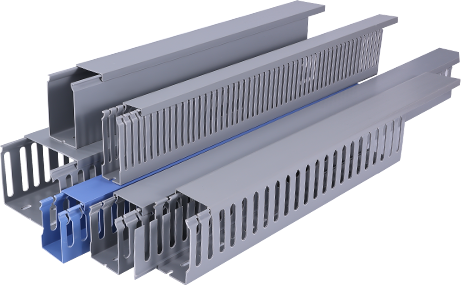
Understanding Wiring Duct for Electrical Infrastructure: Design, Benefits, and Best Practices
by
Tags: