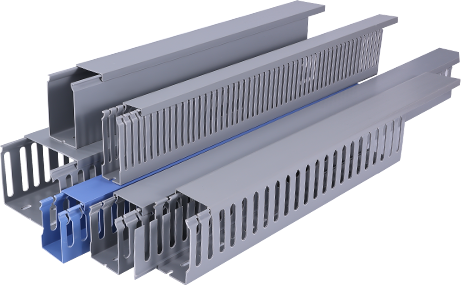
When it comes to modern rail transit systems, from high-speed intercity railways to urban metros and light rail networks, few components play as quiet yet critical a role as wiring duct for rail transit. This specialized cable management solution is designed to organize, protect, and maintain the vast network of electrical and signal cables that power everything from train propulsion to signaling systems, passenger information displays, and security equipment. Without properly engineered wiring ducts, even the most advanced rail network would face constant disruptions, safety hazards, and costly maintenance issues, making this infrastructure component essential for long-term operational reliability. As global demand for efficient, high-frequency rail transit grows, the design and implementation of high-quality wiring duct systems have become a key focus for rail infrastructure planners and engineers around the world.
First, it is important to understand the unique functional requirements that set rail transit-specific wiring ducts apart from standard commercial or industrial cable management products. Rail transit environments expose infrastructure to extreme and constantly changing conditions: constant vibration from passing trains, wide temperature fluctuations from seasonal weather changes, exposure to moisture, dust, and chemical contaminants from track maintenance materials, and heavy structural loads from overhead or under-vehicle installations. Wiring duct for rail transit must be engineered to withstand these stressors without cracking, deforming, or losing its protective properties. For example, ducts used in underground metro tunnels must resist moisture intrusion and occasional flooding, while those installed along open-air high-speed rail lines must withstand UV radiation from constant sunlight and temperature swings ranging from -40°C in winter to over 60°C in summer. These demanding requirements mean that material selection is the first critical step in designing effective rail wiring duct systems, with most modern options using flame-retardant engineering plastics, reinforced fiberglass, or corrosion-resistant aluminum alloys that balance durability, weight, and cost efficiency.
Secondly, safety compliance is a non-negotiable priority for wiring duct for rail transit, as rail networks carry millions of passengers every day and any failure in cable protection can lead to catastrophic consequences. All wiring ducts used in rail applications must meet strict international and regional safety standards, including requirements for flame resistance, low smoke emission, and zero halogen content. In the event of an electrical fire, a qualified wiring duct will not spread flames and will not release toxic fumes that can endanger passengers and emergency responders in enclosed spaces like metro tunnels or train carriages. Many regional regulatory bodies, such as the European Union’s Railway Interoperability Directive and China’s National Railway Safety Standards, have published specific testing requirements for rail wiring duct products, mandating rigorous testing for fire performance, mechanical strength, and aging resistance before products can be approved for installation. This focus on safety ensures that wiring ducts not only organize cables but also act as a passive safety layer that supports overall rail network resilience.
In addition, modern design innovations in wiring duct for rail transit have greatly improved installation efficiency and long-term maintenance accessibility. Traditional rigid cable management systems often required time-consuming on-site cutting and modification during installation, which extended construction timelines for new rail lines and increased labor costs. Modern prefabricated wiring duct systems are designed with modular interlocking sections, pre-drilled mounting holes, and quick-release access covers that allow installation teams to complete work in a fraction of the time required for older systems. For maintenance teams, easy access to cables is critical: when a signal cable or power line needs to be repaired or upgraded, quick-release covers on modern wiring ducts allow workers to access the cable network without removing entire duct sections, reducing service disruption time for active rail lines. Many designs also incorporate labeling slots and separation partitions that keep different types of cables (power, signal, communication) organized separately, preventing electromagnetic interference between power cables and sensitive signal cables that could disrupt train signaling or communication systems.
Another key advantage of properly specified wiring duct for rail transit is its contribution to long-term cost reduction for rail network operators. While high-quality specialized wiring ducts may have a higher upfront cost compared to generic industrial cable management products, their extended service life and lower maintenance requirements deliver significant total cost of ownership benefits over the 30 to 50 year lifespan of a typical rail infrastructure. High-quality ducts resist corrosion, vibration fatigue, and UV degradation, meaning they rarely need replacement under normal operating conditions, reducing the need for costly corrective maintenance and line closures. Additionally, the organization provided by wiring ducts prevents cable damage from chafing against sharp structural components or exposure to the elements, extending the service life of the cables themselves, which is a far more expensive component to replace than the ducting. For operators running high-frequency rail services where even a 10-minute service disruption can lead to thousands of delayed passengers and significant revenue losses, the reliability provided by quality wiring duct systems translates directly to avoided costs and improved customer satisfaction.
Looking forward, the evolution of wiring duct for rail transit will continue to align with the growth of smarter, more connected rail networks. As rail systems add more IoT sensors for predictive maintenance, advanced signaling systems like CBTC (Communication Based Train Control), and more passenger amenities like high-speed Wi-Fi and USB charging, the volume of cables that need to be managed will only increase. New wiring duct designs are already adapting to this trend, with larger capacity modular systems, integrated cable separation features, and even smart monitoring capabilities that can detect temperature changes or moisture intrusion within the duct to alert maintenance teams to potential issues before they cause failures. For any modern rail transit project, investing in fit-for-purpose wiring duct systems is not just a technical requirement—it is a foundational investment in the long-term safety, reliability, and efficiency of the entire network.