Relay connectors are indispensable components in the world of electrical systems, ensuring smooth and reliable electrical connections for various applications. These connectors serve as a crucial interface between electrical circuits and relay systems, allowing for efficient communication and control of electrical devices. From industrial machinery to automotive systems, relay connectors facilitate the seamless operation of electronic equipment. This article explores the importance of relay connectors, their structure, applications, and key considerations when selecting the right one for your needs.
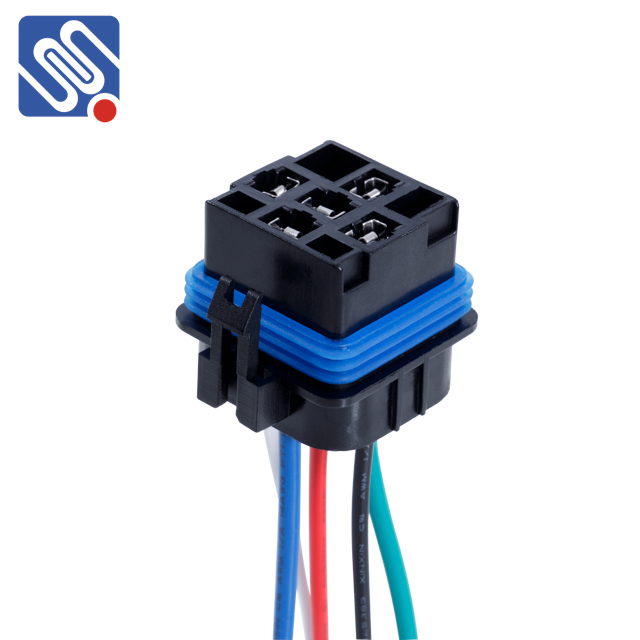
What Are Relay Connectors? Relay connectors are specialized connectors used to link electrical relays with external devices, such as sensors, controllers, or power supplies. A relay is an electrical switch that uses a low voltage signal to control a high voltage circuit. These connectors provide a secure and efficient means of transferring electrical signals between the relay and other components, ensuring that systems operate reliably. Relay connectors are designed to withstand high currents and voltages while maintaining durability and ease of maintenance. Structure and Design of Relay Connectors