Safety relays play a crucial role in industrial automation, providing essential protection to both machinery and personnel. One of the highest safety integrity levels for these relays is SIL 3 (Safety Integrity Level 3), which signifies a very high level of reliability in preventing hazardous events. SIL 3-rated safety relays are typically employed in situations where risk reduction is critical, such as in chemical plants, oil refineries, and heavy machinery operations. This article delves into the concept of Safety Relay SIL 3, its importance, key features, and the standards it must meet.
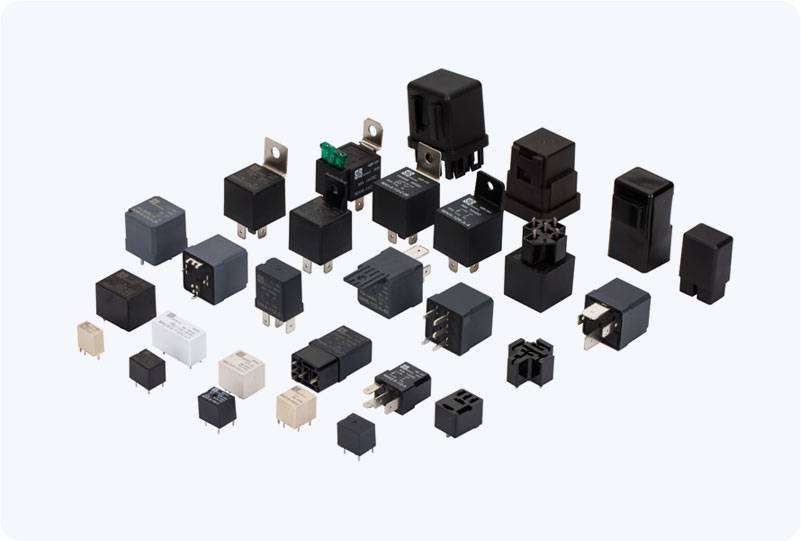
What is SIL 3? SIL (Safety Integrity Level) is a measure of the reliability and effectiveness of safety-related control systems, defined by the international standard IEC 61508. SIL levels range from 1 to 4, with SIL 4 representing the highest degree of safety. These levels correspond to the probability of dangerous failure per hour (PFH), with lower values indicating greater safety. SIL 3, in particular, denotes that the system must reduce the risk of dangerous failure to less than 10⁻⁷ failures per hour, thus ensuring that failures that lead to hazardous events are highly unlikely. In this context, Safety Relay SIL 3 refers to safety relays specifically designed to meet the stringent reliability criteria associated with SIL 3. These relays ensure that the safety system operates correctly even in the event of a failure, preventing or mitigating any risk to human health, machinery, or the environment.