A Direct Acting Solenoid Valve (DASV) is a fundamental component in numerous industries, providing reliable and efficient control over the flow of fluids and gases. These valves play an essential role in a variety of systems, such as HVAC, water treatment, industrial automation, and fluid power systems. Unlike other types of solenoid valves that rely on external pressures to operate, the direct acting solenoid valve works solely by the magnetic force generated by an electric current passing through a coil. This article aims to delve into the working principle, applications, benefits, and limitations of Direct Acting Solenoid Valves, highlighting their critical role in modern engineering.
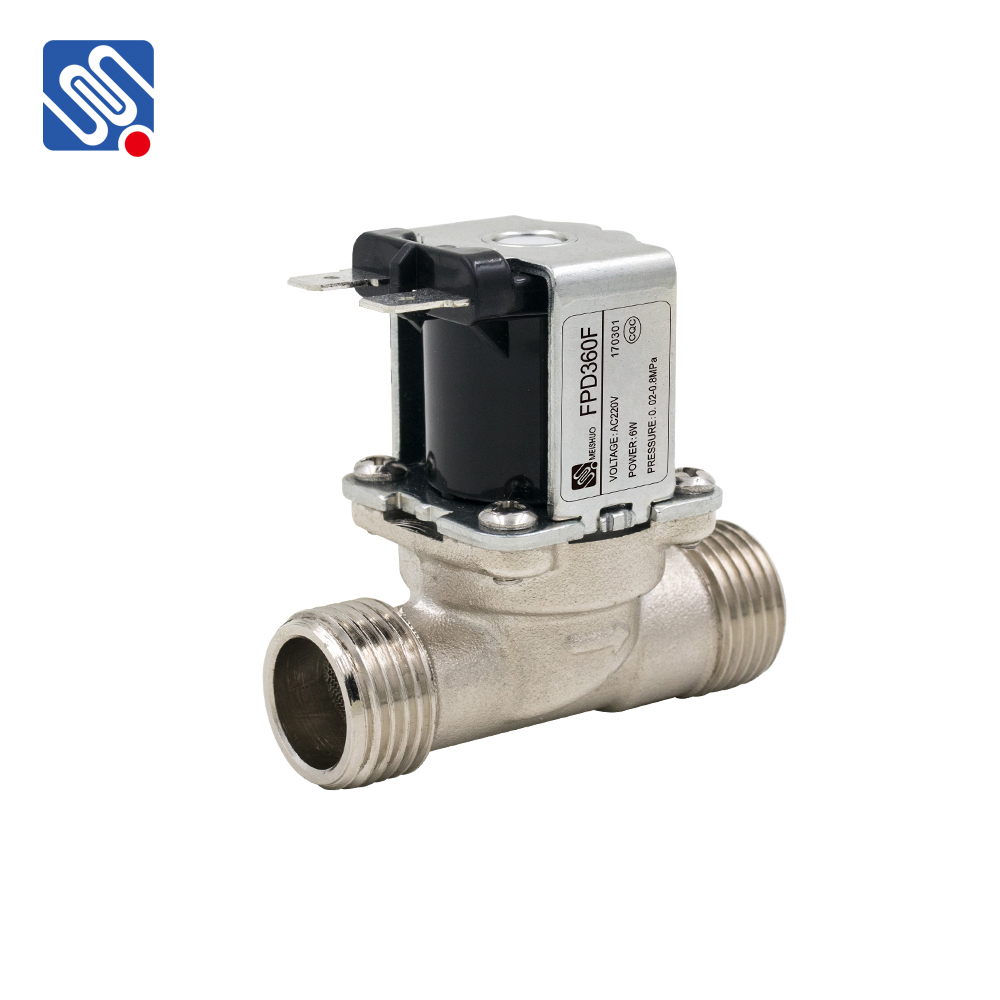
Working Principle of Direct Acting Solenoid Valve The core principle behind a Direct Acting Solenoid Valve is its simplicity. The valve consists of a coil, a plunger or armature, and a valve seat. When an electrical current is supplied to the coil, a magnetic field is generated. This magnetic force attracts the plunger, which either opens or closes the valve, depending on the valve’s design. Since the plunger is directly responsible for the opening and closing of the valve, the operation does not rely on any external air or fluid pressure. In its “normally closed” state, the valve remains shut until the electrical current activates the coil. When energized, the plunger moves, overcoming the spring tension, and opens the valve to allow fluid or gas to pass. In the case of “normally open” valves, the flow occurs until the coil is energized to close the valve.