Introduction
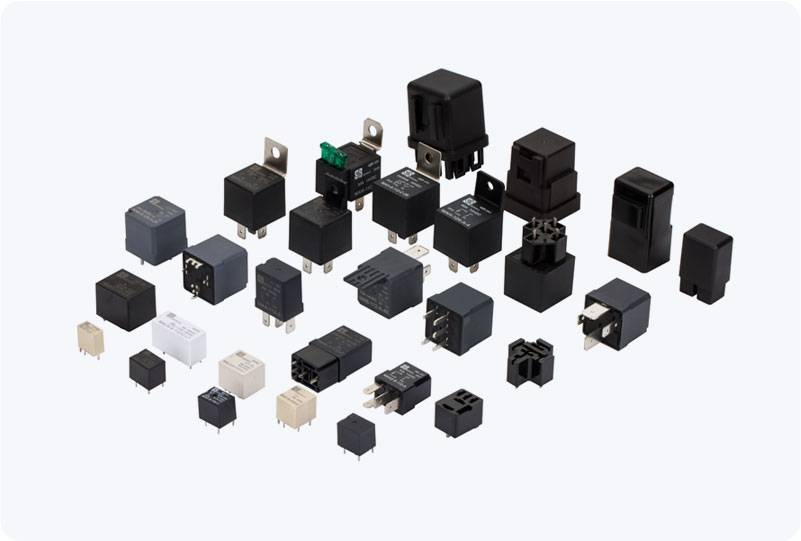
In modern power systems, reliability and efficiency are paramount. The evolution of control technologies has led to the widespread use of latching relays, also known as bistable relays, in various electrical applications. These devices offer unique advantages that make them indispensable in power system operations. This article delves into the working principles, applications, and benefits of Latching Relay for Power Systems, highlighting their critical role in enhancing both the performance and reliability of electrical grids. What is a Latching Relay? A Latching Relay, or bistable relay, is a type of electromagnetic relay that maintains its position even after the power to its control circuit is removed. Unlike standard relays, which require continuous power to stay in one state, latching relays only require a brief pulse to switch between their two stable states—either activated (closed contacts) or deactivated (open contacts). Once in one of these states, the relay remains there without needing any additional electrical input until it is triggered by the opposite pulse.