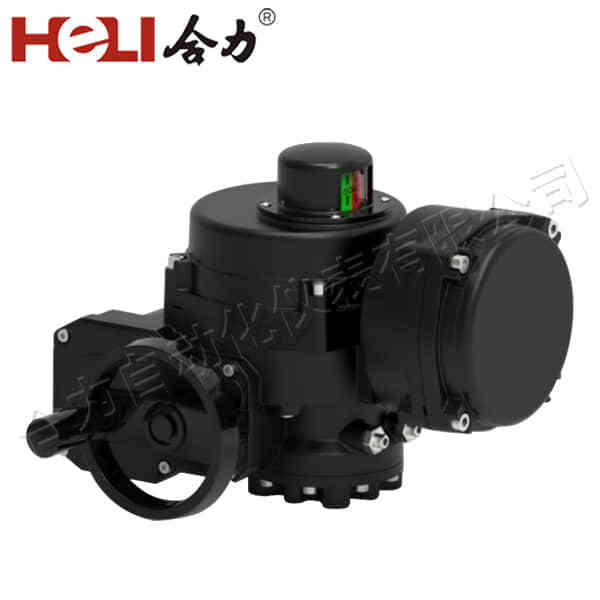
Electric actuators have become an integral component in modern automation systems. With the increasing demand for efficient, reliable, and precise movement control in various industries, electric actuators provide an ideal solution. This article will explore the working principle, applications, advantages, and future potential of electric actuators, shedding light on their pivotal role in today’s technological landscape.
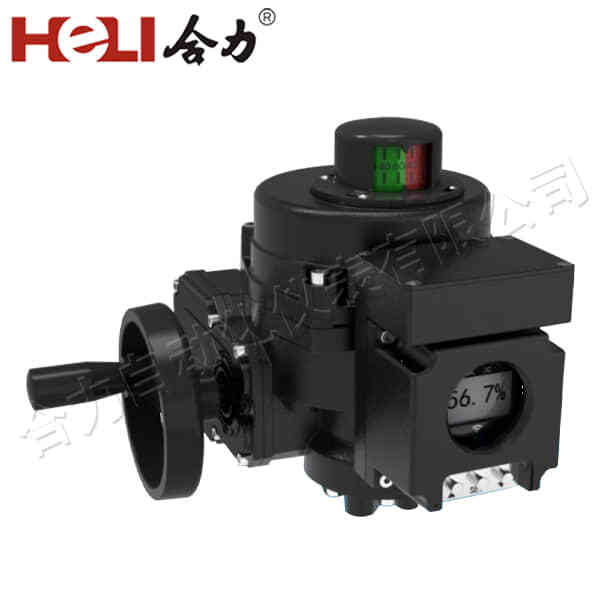
What is an Electric Actuator?
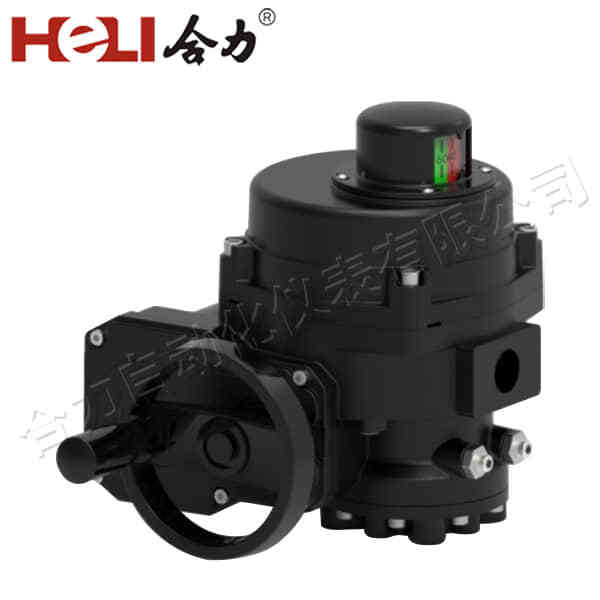
An electric actuator is a device that converts electrical energy into mechanical motion. The term “actuator” generally refers to any component that causes movement or action in a mechanical system, and in the case of electric actuators, this movement is generated by electrical power. These devices are widely used for controlling mechanical systems, ranging from small devices to large industrial machines. Electric actuators operate by using an electric motor to drive mechanical components such as gears, screws, or hydraulic pistons, depending on the design. The motor’s rotational motion is converted into linear or rotary motion, which is then used to move or control a particular object or mechanism. This capability allows electric actuators to perform a wide range of tasks, from adjusting valve positions to powering robotic arms in industrial automation.