Automotive relay coil specifications are fundamental to ensuring the reliable operation of vehicle electrical systems. Relays are electromechanical switches that allow low-current circuits to control high-current devices, such as headlights, fuel pumps, and cooling fans. The coil, a critical component of the relay, generates a magnetic field when energized, causing the relay contacts to open or close. Understanding the specifications of automotive relay coils is essential for proper selection, circuit design, and system reliability.
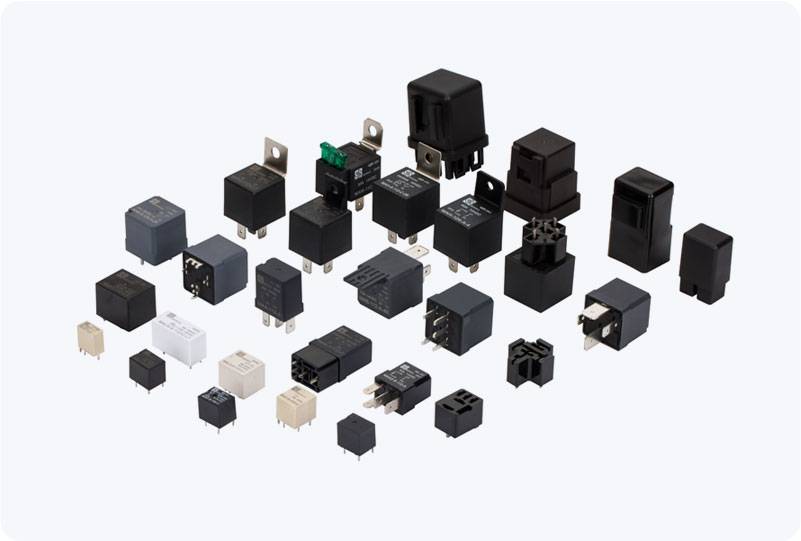
One of the most important specifications is the coil voltage. Automotive relays are typically designed for standard vehicle electrical systems, with 12V DC being the most common for passenger cars and 24V DC for heavy-duty or commercial vehicles. Using a relay with an incorrect coil voltage can lead to unreliable operation, either failing to activate or causing damage to the coil. Engineers must ensure the coil voltage matches the vehicle power supply to guarantee proper functionality. Another key parameter is the coil resistance, usually measured in ohms (Ω). Coil resistance affects the current drawn by the relay according to Ohm’s law (I = V/R). For instance, a 12V relay with a coil resistance of 144Ω draws approximately 83 milliamps of current. Proper coil resistance ensures that the relay operates efficiently without excessive heating or insufficient magnetic force. Too low a resistance may result in high current that could overheat or damage the relay, while too high a resistance may produce insufficient current, preventing the relay from fully actuating.