As the world shifts towards cleaner energy solutions, electric vehicles (EVs) are becoming a more prominent part of the future of transportation. With the growing demand for electric vehicles, the need for faster and more efficient charging systems has never been greater. One of the critical components of these charging systems is the DC Fast Charging Relay. This vital piece of equipment plays a central role in ensuring safe and reliable charging of electric vehicles at high speeds. In this article, we will explore the function, importance, and technology behind DC Fast Charging Relays.
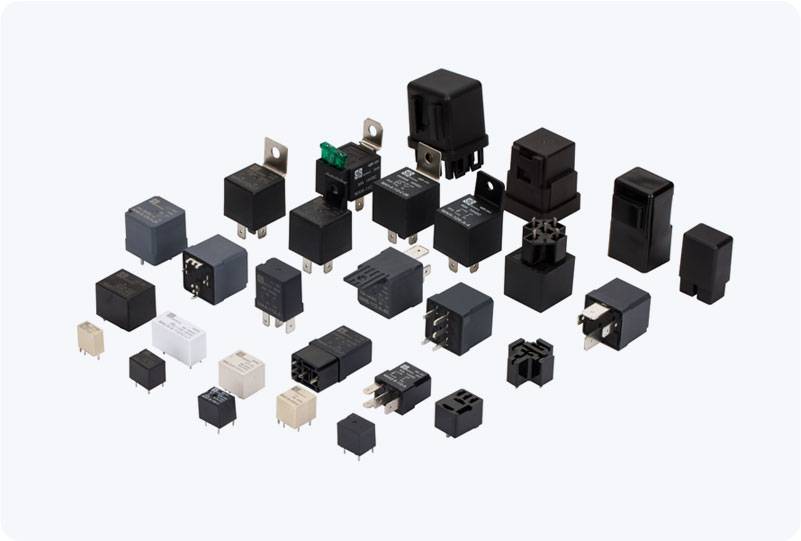
1. What is a DC Fast Charging Relay? A DC Fast Charging Relay is a specially designed electrical relay used in high-speed direct current (DC) charging systems for electric vehicles. Unlike standard household charging systems that rely on alternating current (AC), DC fast chargers provide a much quicker way to charge electric vehicles by directly supplying DC power to the battery. This allows for much faster charging times—often 30 minutes or less for an 80% charge, compared to several hours with traditional AC charging. DC Fast Charging Relays are designed to handle high-voltage and high-current direct current power. They act as a safety switch that opens or closes the charging circuit, ensuring that electricity flows only when it is safe to do so. Given the high voltage and large currents involved, relays used in DC fast charging systems must meet strict safety standards and be capable of withstanding harsh conditions.