Relay performance metrics are essential for evaluating the effectiveness of relay systems in various applications, from communication networks to industrial control systems. These metrics provide valuable insights into the efficiency, reliability, and overall performance of the relays, helping engineers and system designers optimize their systems for better functionality and longevity. In this article, we will explore the most crucial relay performance metrics and their significance in different contexts.
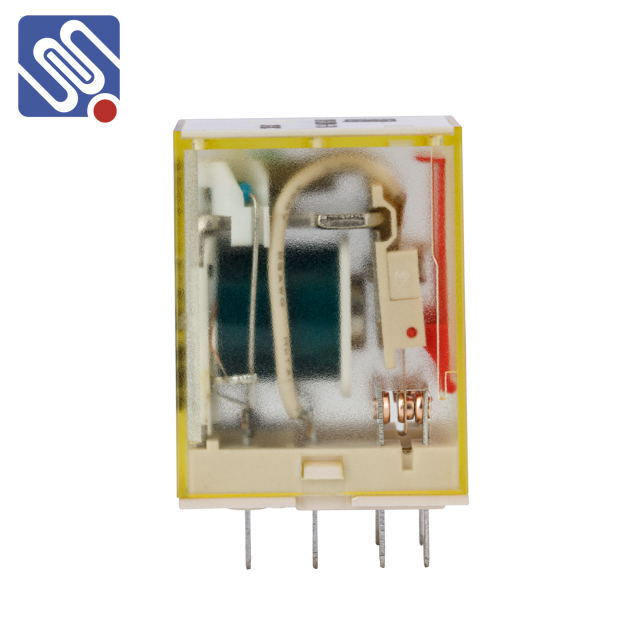
1. Latency: The Time Factor Latency refers to the time it takes for a relay to receive, process, and forward a message or signal. In communication networks, low latency is particularly important for real-time systems such as video streaming, VoIP (Voice over Internet Protocol), or online gaming. A high latency could lead to delays, affecting user experience and reducing the efficiency of critical applications. For industrial control systems, latency can affect the timing of automated processes, potentially causing disruptions in production or safety systems. 2. Throughput: The Volume of Data Handled