Lockout/Tagout (LOTO) procedures are vital in ensuring the safety of workers when they are servicing or maintaining machinery and equipment. One essential component of the LOTO procedure is the LOTO padlock, which plays a crucial role in protecting employees from the dangers associated with the accidental startup or release of hazardous energy. In this article, we will delve into what LOTO padlocks are, how they work, and their importance in creating a safer workplace.
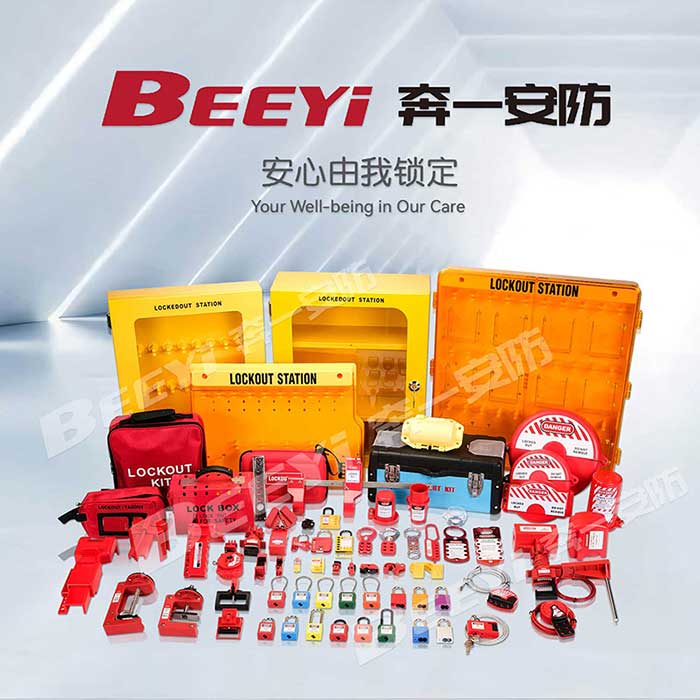
What is a LOTO Padlock? A LOTO padlock is a special type of lock used in the Lockout/Tagout safety procedure. This padlock is designed to securely isolate energy sources (such as electrical, mechanical, hydraulic, or thermal) to prevent them from being accidentally energized while maintenance or repairs are being conducted. The purpose of the lock is simple: to ensure that a machine cannot be turned on, started, or activated while a worker is servicing it. LOTO padlocks are often paired with a warning tag, which provides information about who has locked out the equipment and why. This system ensures that other workers are aware of the lockout and do not attempt to operate the machine while it is being serviced. LOTO padlocks come in a variety of shapes, sizes, and materials, but they all share the same primary function: to enhance safety by preventing unintended machine operation.