The development of hydrogen energy has gained significant attention in recent years as an alternative to traditional fossil fuels. As a cleaner and more sustainable energy source, hydrogen plays a key role in various industrial applications, particularly in fuel cells, green hydrogen production, and hydrogen storage. A crucial component in these systems is the Hydrogen Energy Electric Single Seat Regulating Valve. This valve is essential for controlling the flow, pressure, and temperature of hydrogen gas in various systems, ensuring optimal performance and safety. In this article, we will explore the function, features, and applications of the Hydrogen Energy Electric Single Seat Regulating Valve, highlighting its importance in the modern energy landscape.
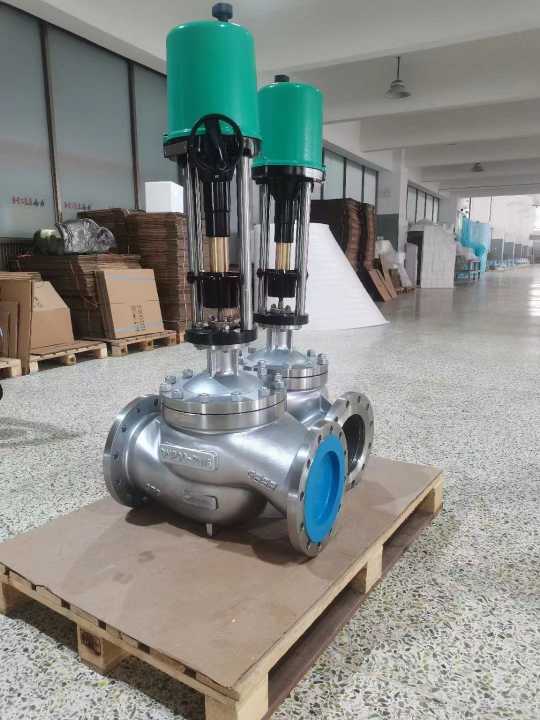
What is a Hydrogen Energy Electric Single Seat Regulating Valve? A Hydrogen Energy Electric Single Seat Regulating Valve is a specialized control valve designed for regulating the flow of hydrogen gas in various applications. The valve consists of a single seat, which is the primary sealing mechanism between the valve body and the valve plug, ensuring minimal leakage. The electric actuator drives the valve’s opening and closing, allowing precise flow control through the system. This valve is commonly used in hydrogen energy systems where accurate regulation of hydrogen gas is necessary, such as fuel cells, hydrogen production units, and storage systems. It operates based on signals from a central control system, allowing for automatic and real-time adjustments to maintain the desired pressure, temperature, or flow rate.