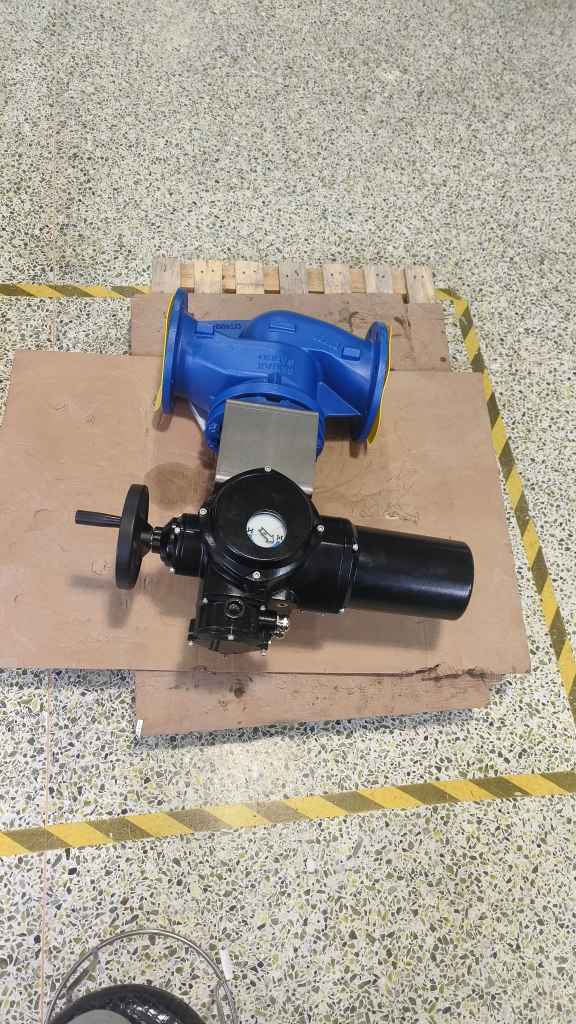
The transition to cleaner energy sources has gained unprecedented momentum in recent years, with hydrogen energy emerging as a key player in this global shift. Hydrogen, when used as a fuel, has the potential to significantly reduce greenhouse gas emissions and help decarbonize sectors such as transportation, industry, and power generation. However, hydrogen’s highly flammable nature and the complex infrastructure required to store and transport it pose significant safety challenges. One critical component in ensuring the safe and efficient operation of hydrogen systems is the Hydrogen Energy Electric Shut-Off Valve. This valve plays a vital role in controlling the flow of hydrogen gas, ensuring both safety and operational efficiency across various applications.
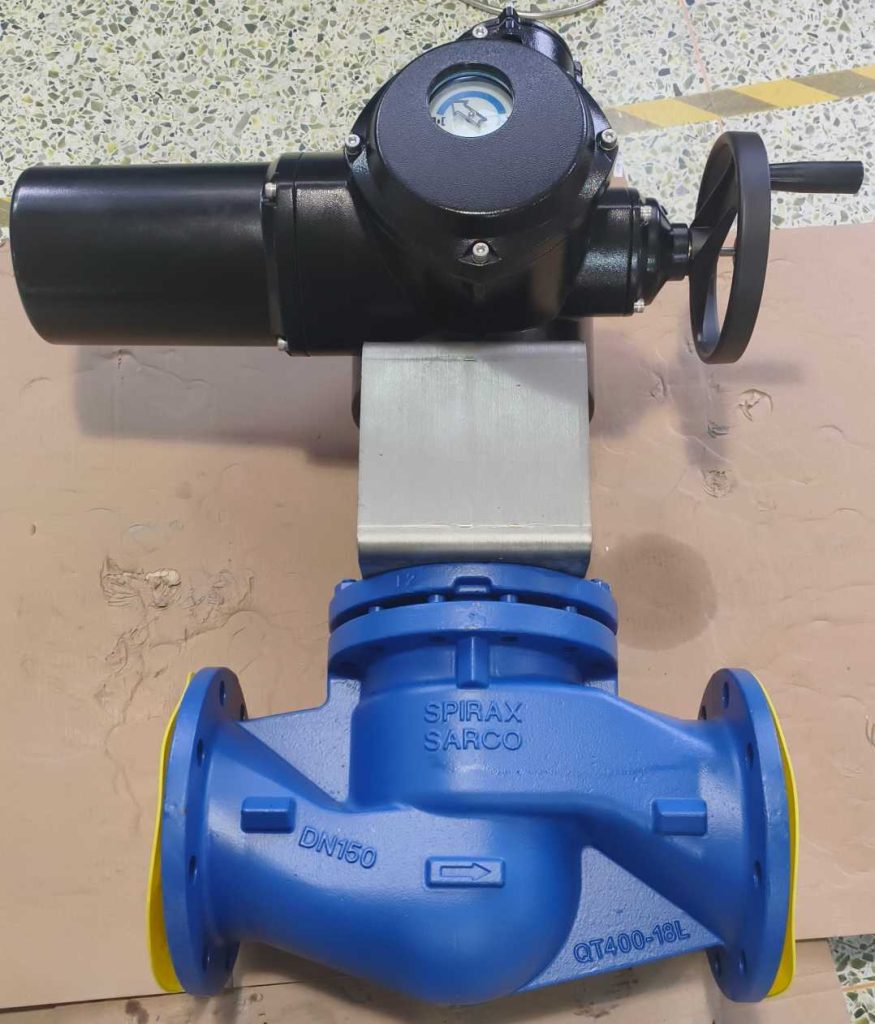
What is a Hydrogen Energy Electric Shut-Off Valve?
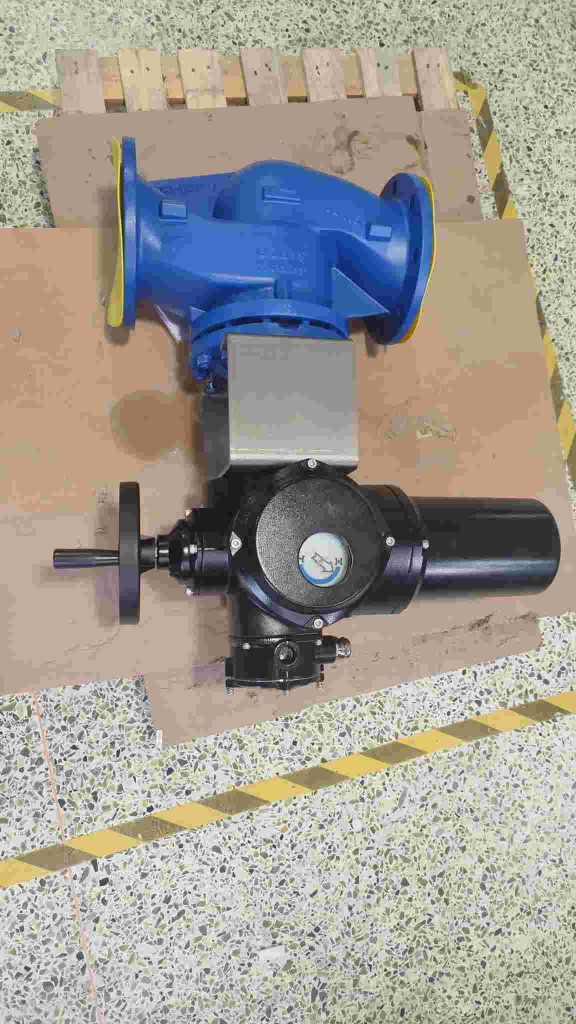
A Hydrogen Energy Electric Shut-Off Valve is a specialized valve used in hydrogen systems to regulate the flow of hydrogen gas through pipes and containers. These valves are electrically operated, meaning they can be controlled remotely via electronic signals. They are an essential safety feature, automatically or manually closing to stop the flow of hydrogen in case of an emergency or to manage the system’s operational requirements. Key Features and Benefits 1. Electrical Control for Precision One of the most important features of the Hydrogen Energy Electric Shut-Off Valve is its electric actuation. Unlike traditional manual valves, which require physical effort to open or close, these valves are controlled remotely via electrical signals. This allows for precise regulation of hydrogen flow, which is critical in maintaining the proper pressure and flow rate within the system. The ability to integrate these valves into automated control systems provides operators with real-time monitoring and control, enhancing overall operational efficiency.