High Voltage (HV) systems are critical components in power generation, transmission, and distribution. These systems handle large amounts of electrical energy, and any fault in their insulation can lead to significant damage, power outages, or even catastrophic accidents. To prevent such issues, the HV Insulation Fault Relay plays a pivotal role in maintaining the safety and integrity of these high-voltage networks. This article explores the importance, working principle, applications, and key features of the HV Insulation Fault Relay, highlighting why it is an essential tool for modern electrical systems.
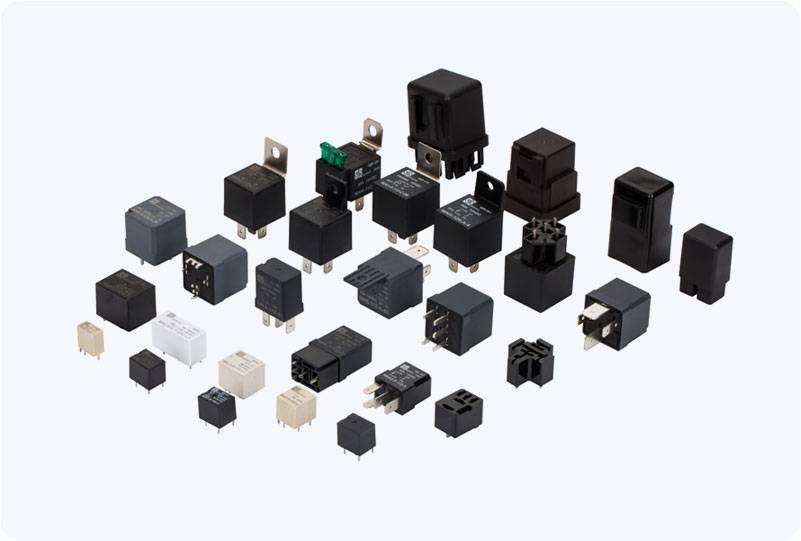
What is HV Insulation Fault Relay? An HV Insulation Fault Relay is a protection device designed to detect insulation faults in high-voltage electrical systems. Its primary function is to monitor the integrity of the insulation in the power network, which is crucial for preventing unwanted faults such as short circuits, electric shock hazards, and even fires. These relays specifically target ground faults, leakage currents, or any other types of degradation in the system’s insulation that could pose a risk to both equipment and human safety. In high-voltage systems, insulation plays a vital role in preventing unwanted electrical paths that could lead to damage. When insulation deteriorates, it allows electrical current to escape, posing a threat to the entire system. The insulation fault relay detects these abnormal conditions and ensures quick intervention to prevent accidents.