In industries where machinery and equipment are regularly serviced or maintained, ensuring the safety of workers is a top priority. One critical safety protocol that protects workers from potential hazards during maintenance activities is Lock Out Tag Out (LOTO). This safety procedure prevents the accidental release of hazardous energy and mechanical movement in machinery, which could cause severe injuries. Among the key components of the LOTO procedure are Lock Out Tag Out locks, essential tools that serve as the physical barrier against accidental machine startup. This article will explore what LOTO locks are, how they function, and why they are crucial for worker safety.
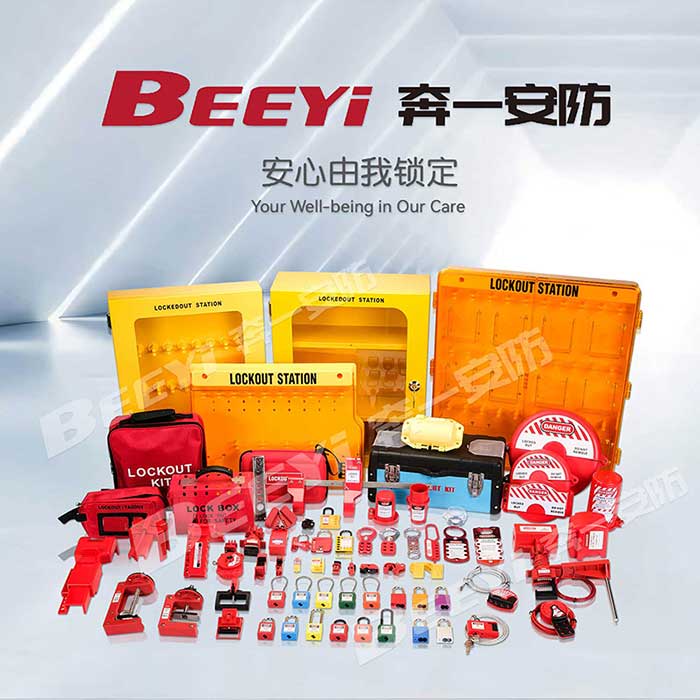
What Are Lock Out Tag Out Locks? Lock Out Tag Out locks are specially designed locking mechanisms used to isolate machinery or equipment from hazardous energy sources during maintenance. These locks serve two main purposes: preventing the unexpected activation of machinery and providing clear visibility to other workers that the equipment is undergoing maintenance or repairs. Typically, LOTO locks include a combination of physical locks, tags, and other safety devices such as lockout hasps, valve lockouts, and circuit breaker lockouts. Lockout tags, attached to the lockout devices, display important information about the worker performing the maintenance, the reason for the lockout, and the date and time the lockout was applied. This combination of lockout and tagging ensures that the machine is not turned on by mistake and alerts other employees to stay clear of the maintenance area.