The 30A High-Power Relay is an essential component in modern electrical and electronic systems, especially when dealing with high-current applications. Unlike standard relays, which typically handle small currents, a 30A relay is specifically designed to switch and control circuits carrying up to 30 amperes of current safely and efficiently. This makes it a crucial element in automotive, industrial, and high-power consumer electronics applications.
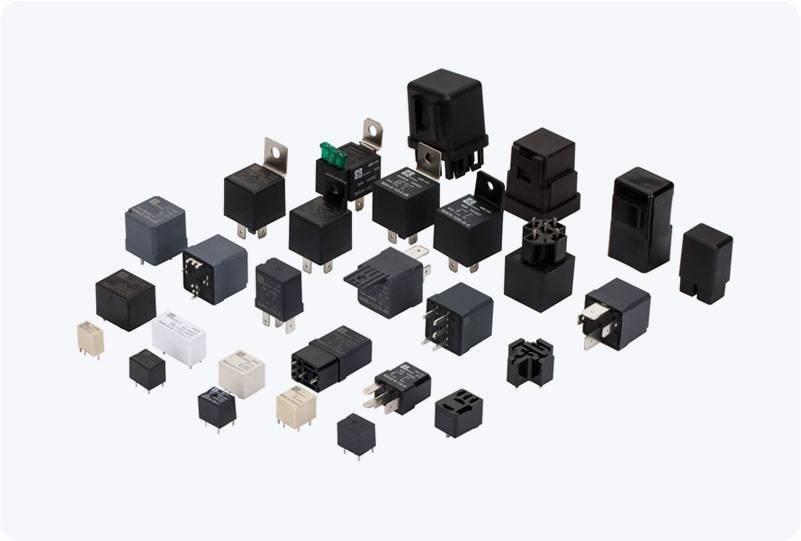
At its core, a 30A High-Power Relay consists of an electromagnetic coil and a set of contacts. When the coil is energized by an appropriate voltage—commonly 5V, 12V, or 24V DC—it generates a magnetic field that either closes or opens the contacts, allowing the high-current circuit to be controlled indirectly by a low-current signal. The contacts themselves are usually made from durable metals or alloys, such as silver or copper, which can withstand high electrical loads and minimize contact wear over repeated operations. One of the key advantages of using a 30A High-Power Relay is its ability to isolate the control circuit from the high-power circuit. This separation enhances safety and allows sensitive electronics, such as microcontrollers or low-power switches, to control devices like motors, heaters, and large LED arrays without being exposed to high currents directly. Additionally, these relays are often designed with fast response times, typically in the range of 10 to 20 milliseconds, which makes them suitable for automation and rapid switching applications.